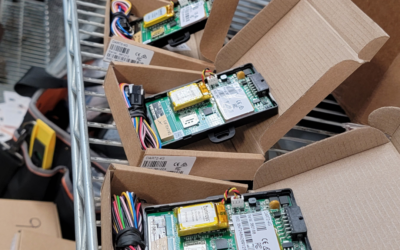

Network deployments are complex, multi-layered initiatives that involve planning, procurement, installation, configuration, testing, and coordination across multiple stakeholders throughout the commercial network installation process. Without structured oversight, even well-designed networks can face delays, budget overruns, and operational disruption.
Whether deploying infrastructure for a single location or executing a multi-site rollout, project management ensures deployments are organized, predictable, and aligned with business objectives.
What is project management in network deployments?
Project management in network deployments refers to the structured process of planning, coordinating, executing, and overseeing all phases of network infrastructure for business installations. This includes scheduling, vendor coordination, budgeting, risk management, and quality assurance.
Effective project management ensures that network installations are delivered on time, within budget, and according to technical and operational requirements.
Key Takeaways
• Network deployments require structured coordination across multiple stakeholders
• Clear scope definition helps prevent budget overruns and timeline delays
• Scheduling and logistics planning minimize business disruption during installation
• Standardized processes ensure consistent deployment quality across locations
• Professional project management reduces risk and improves long-term network reliability
Why Is Project Management Important for Network Deployments?
Network infrastructure deployments involve many moving parts. Equipment procurement, structured cabling installation, hardware configuration, electrical infrastructure readiness for network performance, and testing must all align.
Project management provides the framework that keeps these elements coordinated and ensures the deployment progresses efficiently.
1. Clear Scope Definition Prevents Scope Creep
Every successful network deployment begins with a clearly defined scope of work.
Without structured oversight, projects often expand beyond their original requirements. This can result in:
• Budget overruns
• Delayed timelines
• Resource conflicts
• Inconsistent implementation
A well-defined scope typically includes:
• Network design specifications
• Equipment and hardware requirements
• Installation standards
• Site-specific considerations identified during a Wi-Fi site survey
• Acceptance criteria and project deliverables
Why it matters: Defining the scope early ensures all stakeholders share the same expectations before deployment begins.
2. Coordinated Scheduling Minimizes Business Disruption
Many network deployments occur in active environments such as retail stores where POS systems rely on network infrastructure for transaction speed and reliability, corporate offices, healthcare facilities, or financial institutions.
Poor coordination can disrupt daily operations or cause unexpected downtime.
Effective project management includes:
• Detailed project timelines
• Phased installation planning
• Coordination with facility managers
• After-hours or off-peak scheduling
• Regional resource allocation
Key benefit: Strategic scheduling allows installations to occur with minimal impact on business operations.
3. Vendor and Stakeholder Coordination
Network deployments require collaboration among several groups, including:
• Internal IT teams
• Installation technicians
• Electrical contractors
• Equipment vendors
• Facility managers
• Corporate leadership
Without centralized coordination, communication gaps can cause delays and rework.
Strong project management ensures:
• Clear communication channels
• Defined responsibilities
• Vendor accountability
• Timely escalation of issues
Why it matters: A single point of oversight keeps all stakeholders aligned throughout the deployment process.
4. Budget Control and Cost Transparency
Network deployments involve several cost factors, including equipment procurement, labor, logistics, and sometimes travel across multiple locations.
Without structured oversight, costs can increase due to:
• Change orders
• Shipping delays
• Material shortages
• Labor inefficiencies
Professional project management provides:
• Budget tracking
• Procurement planning
• Forecasting and cost visibility
• Structured change management
Key benefit: Financial transparency helps organizations avoid unexpected costs and maintain control over project budgets.
5. Risk Identification and Mitigation
Every network deployment carries operational and technical risks.
Common risks include:
• Electrical capacity limitations
• Site readiness delays
• Supply chain disruptions
• Compliance or permitting issues
• Hardware compatibility challenges
Project managers proactively:
• Identify potential risks early
• Develop contingency plans
• Adjust timelines when necessary
• Maintain clear documentation
Why it matters: Proactive risk management prevents minor issues from escalating into major project delays.
6. Quality Control and Deployment Standardization
Consistency is especially important during large network deployments.
Without standardized processes, organizations may encounter:
• Inconsistent cabling installations
• Configuration errors
• Security vulnerabilities
• Performance differences between locations
Project management helps maintain consistency through:
• Standardized installation procedures
• Approved configuration templates
• Quality assurance inspections
• Documentation verification
Key benefit: Standardization ensures each site meets the same performance and security standards.
7. Compliance and Security Oversight
Many organizations operate in regulated environments that require strict data protection and infrastructure standards.
Project managers help ensure:
• Compliance with internal IT policies
• Secure configuration of firewalls and reliable commercial wireless networks
• Proper documentation for audits
• Alignment with security best practices
Why it matters: Security and compliance must be incorporated throughout the deployment process, not added after installation.
8. Efficient Execution for Multi-Site Rollouts
Retail chains, financial institutions, and enterprise organizations deploying technologies such as GPS asset tracking systems that rely on network infrastructure across dozens or hundreds of locations.
Without structured project oversight, multi-site deployments may experience:
• Inconsistent installation timelines
• Variable quality between sites
• Inventory tracking challenges
• Delayed reporting
Effective program-level project management includes:
• Centralized reporting dashboards
• Regional technician coordination
• Equipment logistics planning
• Repeatable deployment frameworks
Key benefit: Scalable project management enables consistent execution across every location.
9. Documentation and Post-Deployment Support
A successful network deployment does not end once equipment is installed.
Proper documentation ensures the infrastructure can be maintained and upgraded efficiently.
Typical documentation includes:
• Network topology diagrams
• Equipment inventory lists
• Configuration summaries
• Testing and validation results
• Warranty documentation
Why it matters: Well-organized documentation reduces troubleshooting time and supports future infrastructure upgrades.
Common Problems Caused by Poor Project Management
When network deployments lack structured project oversight, organizations often experience:
• Missed deadlines
• Budget overruns
• Operational downtime
• Inconsistent network performance
• Multiple technician revisits
• Frustrated stakeholders
In many cases, the underlying issue is not the technology itself but the coordination and execution of the deployment.
Project Management vs Unmanaged Deployments
| Deployment Approach | Typical Outcome |
| Structured project management | Predictable timelines and consistent quality |
| No centralized coordination | Communication gaps and delays |
| Standardized deployment framework | Consistent infrastructure across sites |
| Reactive problem solving | Cost overruns and repeated site visits |
How Prime-Net Integrates Project Management into Network Deployments
At Prime-Net, project management is embedded into every deployment.
Our process includes:
• Comprehensive pre-deployment planning
• Dedicated project managers overseeing each initiative
• Structured communication workflows
• Coordination between installation services and electrical services
• Deployment frameworks for single-site and multi-site environments
Prime-Net supports organizations with network infrastructure installation, wireless network deployment, structured cabling, CCTV systems that rely on network infrastructure, and related services. Our project management teams ensure every component aligns with the overall deployment strategy.
This coordinated approach reduces risk, improves efficiency, and ensures consistent results across every site.
Frequently Asked Questions
What is project management in network deployments?
Project management in network deployments involves planning, coordinating, and overseeing the installation of network infrastructure to ensure projects meet timelines, budgets, and technical standards.
Why is project management important for multi-site network deployments?
Multi-site deployments require standardized processes, centralized oversight, and coordinated scheduling to maintain consistency across all locations.
How does project management reduce downtime during installations?
Project managers coordinate scheduling, resource allocation, and risk mitigation strategies that allow network installations to occur with minimal disruption to business operations.
Does project management increase project costs?
No. While it adds structure, project management typically reduces overall costs by preventing delays, rework, and unexpected issues.
Who should oversee a network deployment project?
An experienced project manager with expertise in network infrastructure, logistics coordination, and multi-site deployment should oversee the project.
Final Thoughts
Network deployments require more than installing hardware and running cables. They demand coordination, planning, communication, and risk management throughout every stage of the project.
Strong project management ensures network infrastructure deployments are delivered on schedule, within budget, and according to performance standards. It aligns technology implementation with operational needs and long-term business goals.
Prime-Net provides structured, end-to-end network deployment services supported by experienced project managers and certified technicians. From planning and installation to testing and documentation, our team ensures each deployment is executed with precision and consistency.
For more information about professionally managed network deployments, contact Prime-Net at info@prime-net.net. Our team is ready to support your next infrastructure project with dependable, scalable solutions.