Modern business operations depend on reliable, high-speed network infrastructure for businesses. However, even the most advanced switches, routers, and wireless systems cannot perform at their best without proper electrical infrastructure supporting them.
Electrical systems influence power quality, uptime, equipment reliability, and network stability throughout the commercial network installation process. If the electrical foundation of a building is poorly designed or overloaded, network equipment may experience interruptions, degraded performance, or premature failure.
What is the relationship between electrical infrastructure and network performance?
Electrical infrastructure refers to the power systems that supply electricity to network equipment, including circuits, panels, grounding systems, and backup power. These components provide the stable power environment required for networking hardware to operate reliably.
If electrical infrastructure is unstable or improperly designed, network equipment can experience outages, performance degradation, and long-term reliability issues.
Key Takeaways
• Network performance depends heavily on power quality and electrical stability
• Dedicated circuits help protect networking hardware from electrical interference
• Proper grounding improves signal integrity and equipment safety
• Backup power systems such as UPS units help maintain network uptime
• Electrical capacity planning supports future network expansion
Why Electrical Infrastructure Matters for Network Performance
Businesses often focus on network equipment such as switches, routers, and wireless access points used in reliable commercial wireless networks. However, the electrical systems supporting these devices are just as important.
Electrical issues frequently appear as network problems, making them difficult to diagnose without evaluating both systems together.
1. Power Quality and Network Stability
Clean and stable power is essential for reliable network operation.
Network devices such as switches, routers, firewalls, and servers rely on consistent voltage levels to function properly. Electrical disturbances can cause performance problems or unexpected downtime.
Common electrical issues that impact network performance include:
• Voltage sags and surges
• Electrical noise and interference
• Harmonic distortion
• Overloaded circuits
These problems may lead to:
• Unexpected equipment reboots
• Network latency or packet loss
• Hardware degradation
• Data corruption
• Complete system outages
Why it matters: Poor power quality often results in intermittent issues that are difficult to troubleshoot but can significantly disrupt business operations.
2. Proper Circuit Design and Load Distribution
Network equipment should operate on dedicated electrical circuits.
When network hardware shares circuits with high-demand equipment such as HVAC systems, refrigeration units, or industrial machinery, voltage fluctuations become more likely.
A properly designed electrical infrastructure includes:
• Dedicated circuits for network racks
• Correct breaker sizing
• Balanced load distribution across electrical panels
• Sufficient amperage capacity for expansion
Key benefit: Dedicated circuits improve network stability and reduce the risk of electrical disruptions affecting critical systems.
3. Grounding and Bonding for Signal Integrity
Grounding is one of the most overlooked factors affecting network reliability.
Improper grounding can introduce electrical noise into copper network cabling, causing connectivity problems and potential equipment damage.
Proper grounding and bonding provide:
• Stable voltage reference for equipment
• Reduced electromagnetic interference
• Protection against lightning and electrical faults
Why it matters: Signal integrity depends not only on cabling quality but also on the electrical environment surrounding it.
4. How Electrical Systems Affect Structured Cabling Performance
Electrical systems can influence how well structured cabling performs.
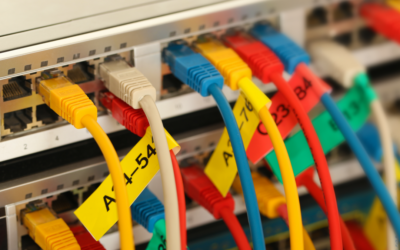
Improper routing of electrical and data cables may create electromagnetic interference, especially when using copper cabling such as Category 6 or Category 6A.
Best practices include:
• Maintaining separation between power and data cables
• Using shielded cabling where appropriate
• Installing proper cable pathways and trays
• Following structured cabling installation standards
Key benefit: Reducing electrical interference helps maintain reliable data transmission and consistent network speeds.
5. Backup Power and Network Uptime
Network performance is not only about speed but also about uptime.
Without backup power systems, even a brief outage can interrupt critical business functions.
Power interruptions can affect:
• Point-of-sale systems that depend on reliable network infrastructure
• CCTV and security systems that rely on network infrastructure
• Wireless connectivity
• Cloud applications and remote access
Reliable electrical infrastructure should include:
• Uninterruptible Power Supplies (UPS)
• Generator backup for extended outages
• Surge protection devices
• Automatic transfer switches
Why it matters: Backup power systems allow network equipment to remain operational during power disruptions.
6. Electrical Capacity Planning for Network Growth
As organizations grow, their network infrastructure expands as well.
Adding more devices increases electrical demand across network systems.
Common additions include:
• Wireless access points
• IP surveillance systems
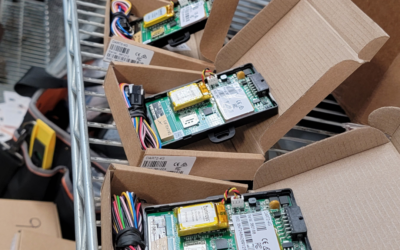
• IoT devices such as GPS asset tracking systems that rely on network infrastructure
• Edge computing equipment
Electrical capacity planning should consider:
• Future rack space requirements
• Additional Power over Ethernet (PoE) switches
• Expansion of wireless infrastructure
• Multi-site deployment needs
Key benefit: Planning electrical capacity alongside network design helps prevent costly upgrades later.
7. Power over Ethernet (PoE) and Electrical Considerations
Power over Ethernet simplifies device deployment by delivering both data and power through network cables.
PoE commonly powers devices such as:
• Wireless access points
• IP cameras
• VoIP phones
• Access control systems
However, high-density PoE deployments increase electrical demands.
Network infrastructure must account for:
• Switch power budgets
• Adequate cooling and ventilation
• Sufficient electrical supply to support PoE loads
Why it matters: Insufficient electrical capacity can limit device performance and network expansion.
8. Environmental Conditions in Electrical and Network Rooms
Network and electrical rooms must be designed to maintain stable operating conditions.
Environmental factors that influence network performance include:
• Proper ventilation and cooling
• Organized cable management
• Dedicated electrical panels
• Rack grounding and bonding
Poorly ventilated rooms may cause equipment overheating, which can reduce performance and shorten hardware lifespan.
Key benefit: A controlled equipment environment supports reliable network operation and long-term infrastructure stability.
How Electrical Problems Often Appear as Network Issues
Many network performance complaints are actually caused by electrical problems.
Common symptoms include:
• Random device reboots
• Intermittent wireless connectivity
• Slow network speeds during high electrical loads
• Equipment failures with no clear cause
• Repeated hardware replacements
Evaluating both electrical infrastructure and network systems is often necessary to identify the true source of these problems.
How Prime-Net Aligns Electrical and Network Infrastructure
Prime-Net recognizes that reliable connectivity requires both strong network design and stable electrical systems.
Our services support organizations by providing:
• Network infrastructure installation
• Structured cabling deployment
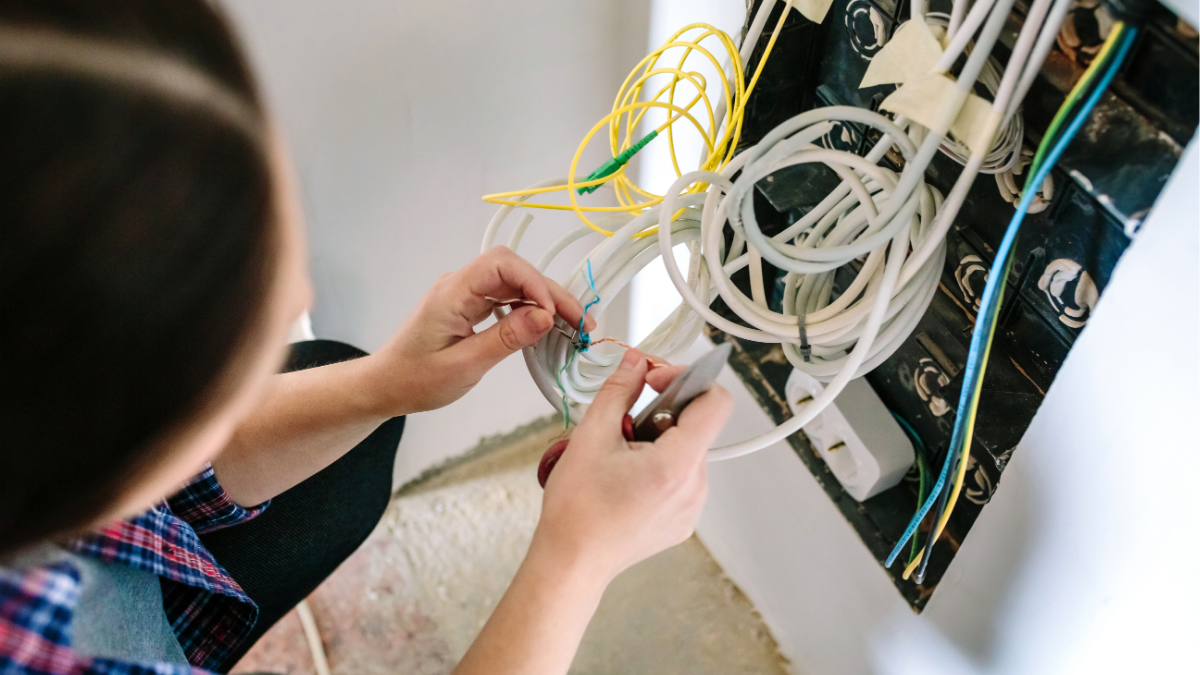
• Electrical services supporting network environments
• Wi-Fi site surveys and wireless planning
• Project management for single-site and multi-site deployments
By coordinating electrical and network infrastructure from the beginning through structured project management in network deployments, businesses can achieve improved reliability, stronger performance, and infrastructure that supports long-term growth.
Electrical vs Network Issues: Quick Comparison
| Issue Source | Typical Symptoms | Impact |
| Power quality issues | Random reboots, outages | Network downtime |
| Improper grounding | Intermittent connectivity | Signal interference |
| Overloaded circuits | Performance drops | Equipment damage |
| Poor cabling practices | Packet loss, slow speeds | Reduced reliability |
| No backup power | Complete outages | Operational disruption |
Frequently Asked Questions
How does electrical infrastructure affect network performance?
Electrical infrastructure affects voltage stability, grounding, and circuit capacity. Poor electrical conditions can lead to slow network speeds, outages, equipment failures, and unreliable connectivity.
Can unstable power cause slow internet?
Yes. Voltage fluctuations, electrical noise, and overloaded circuits can cause device instability, latency, and packet loss that appear as slow internet performance.
Why are dedicated circuits important for network equipment?
Dedicated circuits protect network devices from interference caused by high-load electrical equipment and ensure stable power delivery.
Does Power over Ethernet increase electrical requirements?
Yes. PoE switches supply power to connected devices, which increases electrical demand and requires sufficient power capacity.
Should electrical infrastructure be evaluated during network installation?
Yes. Evaluating electrical systems during network planning helps prevent performance issues and ensures infrastructure can support future expansion.
Final Thoughts
Electrical infrastructure forms the foundation of reliable network performance. Even the most advanced networking equipment cannot compensate for unstable power, improper grounding, or insufficient electrical capacity.
Organizations that plan electrical systems alongside network infrastructure benefit from improved reliability, reduced downtime, and stronger long-term performance.
Prime-Net delivers network infrastructure installations supported by electrical expertise, helping retail, commercial, and multi-site organizations deploy stable, scalable connectivity environments.
For more information about strengthening your network infrastructure, contact Prime-Net at info@prime-net.net. Our team can help design and deploy network environments that deliver consistent performance and long-term reliability.