A commercial network installation is a critical investment for any business. Whether opening a new location, upgrading aging infrastructure, or expanding operations, businesses depend on reliable network infrastructure for businesses to support day-to-day operations, communication systems, and digital services.
Without proper planning and professional installation, networks can suffer from slow performance, security risks, and scalability limitations. A structured installation process ensures the network is built for reliability, security, and future growth.
What is a commercial network installation?
A commercial network installation is the process of designing, installing, and configuring network infrastructure for a business environment. This typically includes structured cabling, switches, routers, firewalls, and wireless access points that support connectivity across devices and locations in a reliable commercial wireless network.
The goal is to create a reliable and scalable network foundation that supports business applications, CCTV security systems, data security, and long-term operational growth.
Key Takeaways
• Commercial network installations begin with a site assessment and infrastructure planning
• Structured cabling forms the physical backbone of the network
• Network hardware and wireless systems must be properly configured for performance and security
• Testing and validation ensure the network meets performance expectations before launch
• Professional installation reduces downtime and supports long-term scalability
What Are the Key Phases of a Commercial Network Installation?
Most commercial network deployments follow a structured project management approach for network deployments that ensures systems are designed and implemented correctly. The following stages outline what businesses can typically expect.
1. Pre-Installation Assessment and Planning
Every successful commercial network installation begins with a detailed site assessment.
During this phase, technicians evaluate:
• Building layout and square footage
• Existing cabling and network infrastructure
• Bandwidth requirements and expected network usage
• Security and compliance considerations
• Future expansion and scalability needs
This information allows the network design to support both current operational demands and long-term business growth.
Why this matters
Proper planning helps:
• Prevent costly redesigns
• Reduce installation delays
• Ensure optimal network performance from the start
2. Network Design and Infrastructure Strategy
After the assessment, a customized network design is created.
The design typically includes:
• Structured cabling layout
• Network switch and router architecture
• Firewall and security configuration
• Wireless access point placement
• Redundancy and failover planning
The goal is to balance performance, reliability, and cost efficiency while following industry standards and manufacturer best practices.
3. Structured Cabling Installation
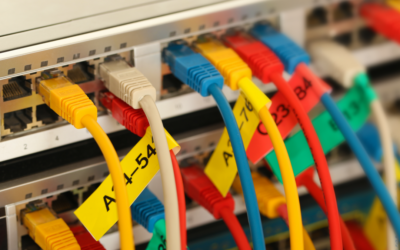
Structured cabling forms the backbone of a commercial network. It connects network devices and provides the infrastructure required for stable data transmission.
Typical cabling installations include:
• Category 6 or Category 6A copper cabling
• Fiber optic cabling for high-speed data and long-distance connectivity
• Cable trays and pathways
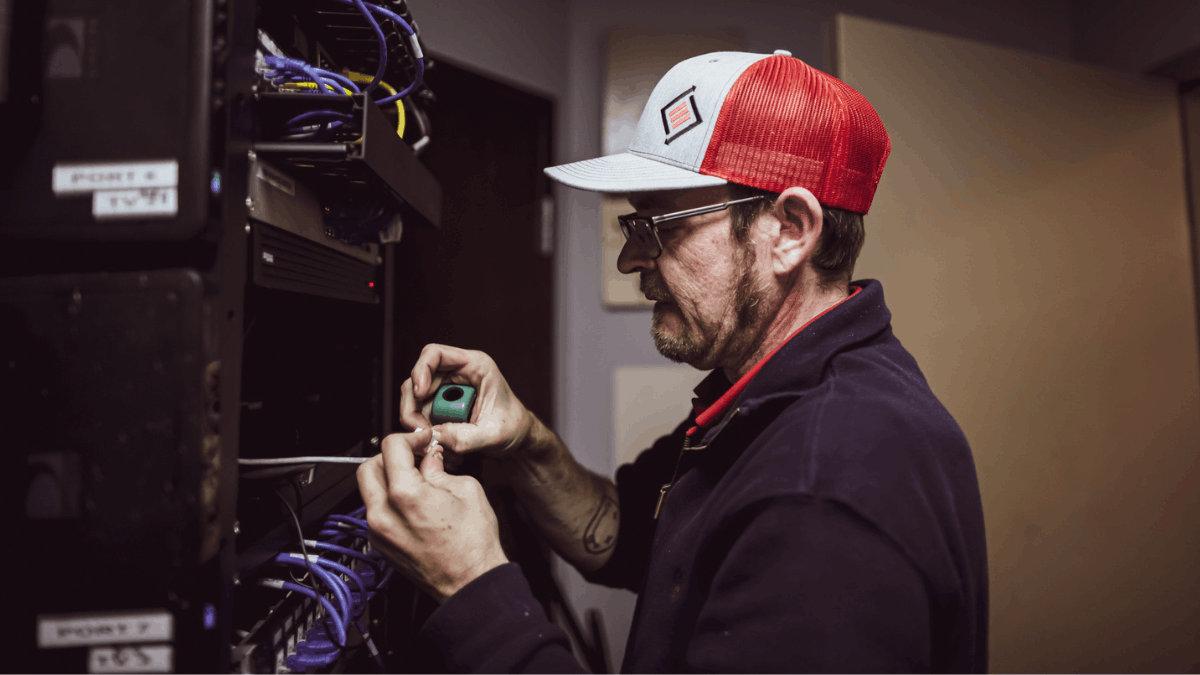
• Patch panels and termination points
• Cable labeling and documentation
All cables are tested and certified to ensure signal integrity and performance.
Key benefit:
Clean, organized cabling simplifies troubleshooting and supports future technology upgrades.
4. Network Hardware Installation and Configuration
Once the cabling infrastructure is complete, network hardware is installed and configured.
This typically includes:
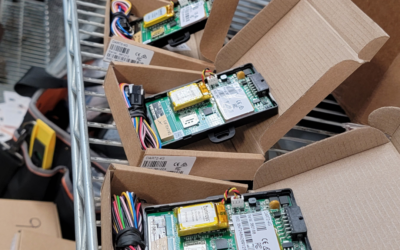
• Network switches
• Routers and gateways
• Firewalls and security appliances
• Wireless access points
• Server racks and equipment enclosures
Devices are configured based on the network design, including:
• VLAN segmentation
• Security policies
• Quality of Service (QoS) settings
• Network monitoring capabilities
5. Wireless Network Deployment
Wireless connectivity is essential in modern business environments.
Enterprise wireless deployments support:
• High device density
• Secure guest access
• Seamless roaming across access points
• Performance monitoring and optimization
Access points are strategically placed to eliminate dead zones and maintain consistent signal coverage throughout the facility.
6. Network Testing and Validation
Before the network goes live, technicians perform comprehensive testing.
Testing typically includes:
• Cable certification testing
• Network speed and connectivity tests
• Wireless coverage verification
• Security validation
This process ensures the network meets performance expectations and operates reliably before users begin accessing the system.
7. Documentation, Training, and Go-Live Support
After installation and testing, businesses receive complete documentation for the network environment.
This often includes:
• Network diagrams
• Cable test results
• Equipment inventory
• Configuration summaries
Proper documentation makes future upgrades, maintenance, and troubleshooting significantly easier.
How Long Does a Commercial Network Installation Take?
Project timelines vary based on the size and complexity of the deployment.
| Project Type | Typical Timeline |
| Small office installation | A few days |
| Medium business facility | 1–2 weeks |
| Large enterprise deployment | Several weeks |
| Multi-site rollout | Varies by schedule and location count |
Factors that influence timelines include:
• Facility size
• Network complexity
• Type of cabling required
• Number of devices and wireless access points
• Scheduling coordination across locations
Efficient planning helps minimize disruption to business operations.
Why Businesses Choose Prime-Net for Commercial Network Installation
Organizations rely on Prime-Net because we provide structured network deployment services designed for reliability and scalability.
Our commercial network services include:
• Structured cabling installation
• Wireless network deployment
• Network infrastructure installation
• Project management and coordination
• Multi-site rollout support
Prime-Net supports retail environments, corporate offices, healthcare facilities, financial institutions, and enterprise organizations with nationwide installation capabilities.
Frequently Asked Questions
What is a commercial network installation?
A commercial network installation involves designing, installing, and configuring network infrastructure such as cabling, switches, routers, firewalls, and wireless systems for business environments.
How long does a commercial network installation take?
Installation timelines depend on the size and complexity of the project. Smaller installations may take a few days, while larger facilities or multi-site deployments may take several weeks.
What type of cabling is used in commercial networks?
Most commercial networks use Category 6 or Category 6A copper cabling, along with fiber optic cabling for high-speed and long-distance connectivity.
Do commercial network installations include wireless networks?
Yes. Most modern installations include enterprise-grade wireless networks that support high device density, secure access, and consistent facility coverage.
Why should businesses use a professional network installer?
Professional installers ensure proper network design, compliance with industry standards, secure configurations, and reliable performance while minimizing downtime and future issues.