Modern businesses rely heavily on connected technologies to support communication, security, operations, and customer experience. From wireless networks and surveillance systems to access control platforms and cloud-connected devices, nearly every critical business function depends on stable power infrastructure.
As network and security systems become more advanced, their power requirements also become more complex. Businesses must consider power capacity, redundancy, battery backup systems, electrical distribution, and scalability to maintain reliable system performance and minimize operational downtime.
This article explains the power requirements for modern network and security systems, common infrastructure considerations, and best practices for supporting reliable commercial technology environments.
Key Takeaways
• Modern network and security systems require stable and properly designed power infrastructure
• Power interruptions can disrupt connectivity, surveillance, access control, and operational visibility
• Backup power systems help maintain uptime during outages and electrical failures
• Power over Ethernet (PoE) simplifies deployment for many connected devices
• Scalable electrical planning supports future technology growth
• Environmental conditions and equipment loads affect power system design
• Coordinated infrastructure planning improves long-term reliability and operational continuity
Why Power Infrastructure Matters for Network and Security Systems
Network and security technologies depend on consistent electrical power to maintain communication, monitoring, and operational functionality.
Critical systems that rely on stable power include:
| System Type | Common Applications |
| Wireless Networks | Wi-Fi access and mobile connectivity |
| Network Infrastructure | Routers, switches, firewalls |
| CCTV Systems | Surveillance monitoring and recording |
| Access Control | Credential readers and door systems |
| GPS & IoT Devices | Asset tracking and remote monitoring |
| Point-of-Sale Systems | Transaction processing |
| Cloud Communication Systems | Remote connectivity and collaboration |
Even short power interruptions can cause:
• Network outages
• Security blind spots
• Device reboots
• Data loss
• Access control failures
• Communication disruptions
• Reduced operational visibility
Reliable power infrastructure helps businesses maintain uptime and operational continuity.
Organizations planning technology deployments should also understand how broader infrastructure planning impacts performance, as discussed in network infrastructure for businesses.
Understanding Power Demands in Modern Technology Environments
Technology environments today support significantly more connected devices than in the past.
Common power-consuming devices include:
• Wireless access points
• Network switches
• Surveillance cameras
• Video recorders
• Access control panels
• IoT sensors
• Digital signage systems
• Mobile security platforms
As device counts increase, power demand and infrastructure complexity also grow.
Factors That Affect Power Requirements
| Factor | Impact on Power Planning |
| Number of connected devices | Increases electrical load |
| Device type and functionality | Affects power consumption |
| PoE deployment requirements | Impacts switch capacity |
| Backup runtime expectations | Influences UPS sizing |
| Multi-site operations | Requires scalable infrastructure |
| Environmental conditions | Affects cooling and power stability |
Accurate power planning helps reduce future performance issues and infrastructure limitations.
1. Power Over Ethernet (PoE) Simplifies Device Deployment
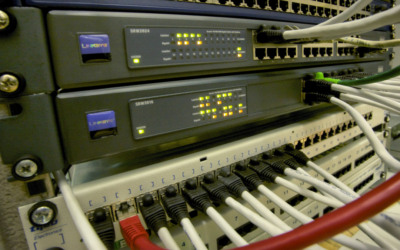
Power over Ethernet (PoE) has become one of the most common power delivery methods for modern network and security systems.
PoE allows devices to receive both data and electrical power through a single Ethernet cable.
Common PoE-powered devices include:
• Wireless access points
• IP surveillance cameras
• VoIP phones
• Access control readers
• IoT sensors
• Networked intercom systems
Benefits of PoE Infrastructure
• Reduced cabling requirements
• Simplified device installation
• Centralized power management
• Easier scalability
• Improved deployment flexibility
However, PoE environments require proper switch sizing and power budgeting to support all connected devices reliably.
Businesses deploying wireless systems may also benefit from understanding what makes a commercial wireless network reliable.
2. Backup Power Systems Help Maintain Uptime
Power outages can significantly affect business operations and security visibility.
Backup power solutions help maintain system functionality during utility interruptions.
Common backup systems include:
| Backup Solution | Purpose |
| UPS Systems | Short-term battery backup |
| Generators | Extended operational support |
| Battery Backup Units | Device-level protection |
| Redundant Power Supplies | Equipment failover protection |
Backup systems help maintain:
• Surveillance recording
• Network connectivity
• Access control operation
• Remote monitoring visibility
• Critical communications
Organizations supporting operationally sensitive environments often prioritize redundancy to reduce downtime risks.
Businesses evaluating power continuity strategies may also benefit from understanding how infrastructure affects operational performance, as discussed in how electrical infrastructure affects network performance.
3. Electrical Capacity Planning Supports Scalability
Many businesses underestimate future power growth requirements during initial technology deployments.
Scalable power planning should account for:
• Future device additions
• Increased network density
• Expanded surveillance coverage
• Additional wireless infrastructure
• New operational technologies
Without sufficient electrical capacity, businesses may encounter:
• Circuit overloads
• Equipment instability
• Limited expansion capability
• Increased infrastructure upgrade costs
Planning for future scalability helps reduce long-term operational disruptions.
4. Environmental Conditions Affect Power Reliability
Environmental conditions can directly impact the performance and lifespan of network and security equipment.
Important environmental considerations include:
• Temperature control
• Ventilation and airflow
• Humidity management
• Dust protection
• Outdoor enclosure protection
• Rack cooling capacity
Improper environmental management may lead to:
• Equipment overheating
• Power instability
• Reduced hardware lifespan
• Unexpected downtime
Proper electrical and environmental coordination improves infrastructure reliability.
5. Power Distribution Must Support Critical Systems
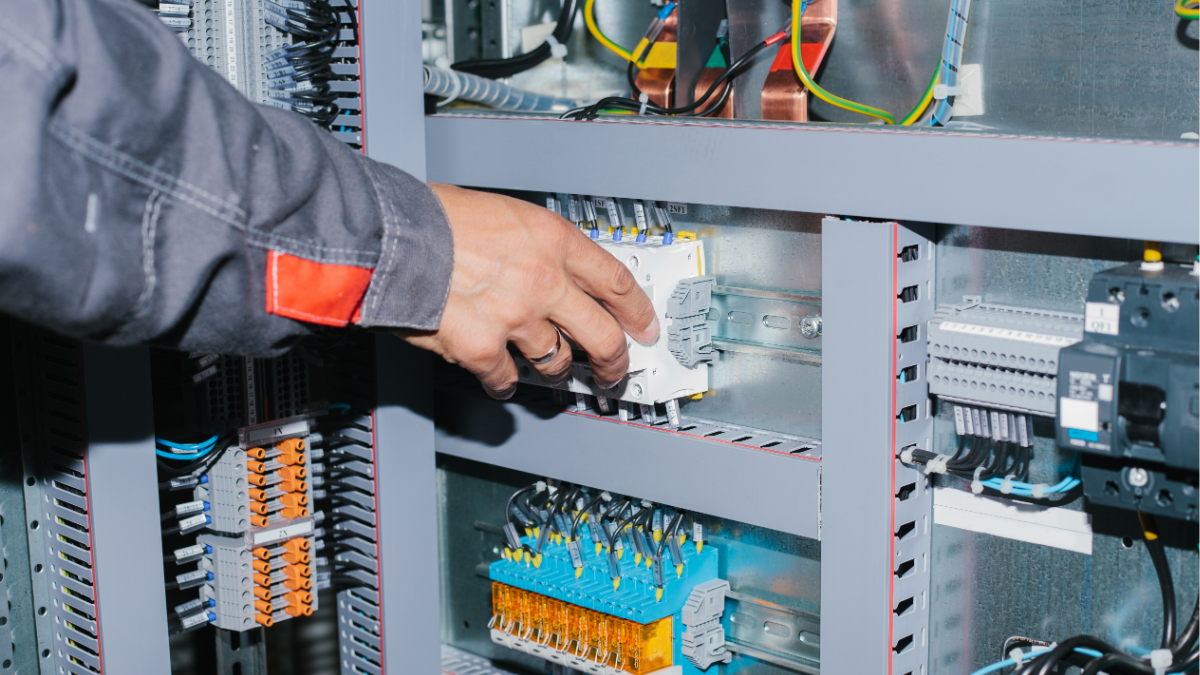
Power distribution planning helps ensure critical systems receive stable and properly managed electrical supply.
Key considerations include:
• Dedicated electrical circuits
• Surge protection
• Power conditioning
• Rack power distribution units (PDUs)
• Redundant electrical pathways
• Equipment prioritization strategies
Critical security and network systems often require prioritized electrical protection to minimize downtime during outages or power fluctuations.
6. Security Systems Require Reliable Continuous Power
Security systems are particularly sensitive to power interruptions because they support life safety, asset protection, and operational visibility.
Critical power-dependent security systems include:
| Security System | Power Dependency |
| CCTV Surveillance | Continuous recording and monitoring |
| Access Control Systems | Secure entry and credential validation |
| Alarm Systems | Real-time alert functionality |
| Remote Monitoring Platforms | Constant communication connectivity |
| Mobile Security Systems | Wireless and cloud communication |
Reliable power infrastructure helps ensure these systems remain operational during emergencies and disruptions.
Businesses deploying surveillance technologies may also benefit from understanding network infrastructure for CCTV systems.
7. Monitoring and Maintenance Improve Reliability
Power infrastructure should be monitored continuously to help identify issues before failures occur.
Monitoring strategies may include:
• UPS health monitoring
• Battery testing
• Electrical load monitoring
• Temperature monitoring
• Generator maintenance schedules
• Power quality analysis
Proactive maintenance helps reduce downtime and improve long-term infrastructure stability.
Common Challenges in Powering Modern Network and Security Systems
Businesses often encounter several challenges when supporting modern technology infrastructure.
| Common Challenge | Potential Impact |
| Insufficient power capacity | Device instability and outages |
| Poor backup planning | Extended downtime |
| Overloaded PoE switches | Device communication failures |
| Environmental overheating | Reduced hardware lifespan |
| Lack redundancy | Increased operational risk |
| Inadequate surge protection | Equipment damage |
Best Practices for Powering Network and Security Systems
Recommended Best Practices
• Conduct electrical load assessments before deployment
• Design scalable power infrastructure
• Use properly sized PoE switches
• Implement UPS and backup power solutions
• Maintain environmental controls for equipment rooms
• Separate critical systems onto dedicated circuits
• Monitor power health continuously
• Perform regular battery and generator maintenance
• Coordinate electrical and network infrastructure planning early
Organizations planning large-scale deployments may also benefit from understanding commercial network installation processes before deployment begins.
Frequently Asked Questions
Why is power infrastructure important for network systems?
Network systems rely on stable electrical power to maintain connectivity, communication, and operational functionality.
What is Power over Ethernet (PoE)?
PoE allows devices such as cameras and wireless access points to receive both power and data through a single Ethernet cable.
Why do security systems require backup power?
Backup power helps maintain surveillance, access control, and alarm functionality during electrical outages.
How do businesses calculate power requirements for technology systems?
Power planning typically considers device counts, power consumption, PoE requirements, backup runtime expectations, and future scalability needs.
What happens if network equipment overheats?
Overheating can reduce equipment lifespan, cause instability, and increase the risk of unexpected downtime.
Why is scalability important in power infrastructure planning?
Scalable infrastructure helps businesses support future growth without requiring major electrical redesigns or disruptive upgrades.
Final Thoughts
Modern network and security systems depend on reliable power infrastructure to support communication, surveillance, operational continuity, and remote visibility. As commercial environments continue adopting more connected technologies, power planning becomes increasingly important for maintaining system reliability and scalability.
Organizations that invest in properly designed electrical and network infrastructure can reduce downtime risks, improve operational resilience, and support long-term technology growth.
Prime-Net supports businesses with commercial network infrastructure, low-voltage systems, wireless networking, surveillance integration, and technology deployment solutions designed to support reliable modern operational environments.
If your organization is planning network or security system upgrades and requires scalable infrastructure support, contact Prime-Net at info@prime-net.net to learn more about our commercial technology deployment capabilities.