
Security systems have evolved significantly over the past decade. Modern CCTV systems no longer operate as isolated recording devices. Instead, they rely on network infrastructure for businesses to transmit, store, and manage video data across facilities and even multiple locations.
From retail stores and offices to warehouses and healthcare facilities, IP-based surveillance systems depend on stable connectivity, adequate bandwidth, and properly designed network environments. Without reliable infrastructure implemented through a commercial network installation process, even the most advanced CCTV equipment cannot deliver consistent performance.
What is the role of network infrastructure in CCTV systems?
Network infrastructure enables CCTV cameras to transmit video data across a network for monitoring, recording, and storage. This infrastructure includes structured cabling, switches, routers, network storage systems, and reliable commercial wireless connectivity.
These components allow surveillance cameras to communicate with recording systems, remote monitoring platforms, and security management software while maintaining reliable performance and security.
Key Takeaways
• Modern CCTV systems rely on network infrastructure to transmit and store video data
• Structured cabling and network switches enable stable camera connectivity
• Bandwidth planning ensures smooth video streaming without dropped frames
• Power over Ethernet simplifies camera installation and power management
• Secure network segmentation protects surveillance systems from cyber threats
Why Network Infrastructure Matters for CCTV Systems
Unlike traditional analog surveillance systems, modern IP-based CCTV cameras transmit digital video across the network. This means surveillance performance depends heavily on the underlying network design.
If the network is poorly designed, organizations may experience:
• Video lag or buffering
• Dropped camera connections
• Incomplete recordings
• Storage failures
• Limited remote monitoring capability
A properly engineered network ensures surveillance systems operate reliably while supporting high-resolution video and long-term storage.
Structured Cabling for CCTV Connectivity
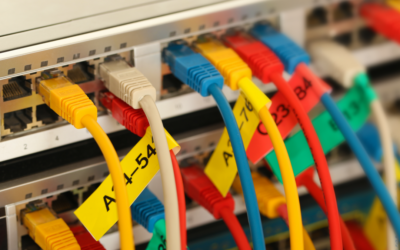
Structured cabling provides the physical connection between cameras, network switches, and recording systems.
Most modern CCTV installations use:
• Category 6 or Category 6A copper cabling
• Fiber optic cabling for long-distance connections
• Patch panels and termination points
• Organized cable pathways
Proper cabling ensures consistent data transmission and reduces the risk of signal loss or connectivity issues.
Well-organized cabling infrastructure also simplifies maintenance and future expansion when additional cameras are added.
Power over Ethernet (PoE) and Camera Deployment
Most IP surveillance cameras rely on Power over Ethernet technology.
PoE allows a single network cable to deliver both power and data to a camera, eliminating the need for separate electrical wiring.
Benefits of PoE camera deployments include:
• Simplified installation
• Reduced cabling requirements
• Centralized power management
• Easier scalability for additional cameras
PoE-enabled network switches supply power directly to cameras while transmitting video data through the network.
Network Bandwidth and Video Performance
Video surveillance systems generate large volumes of data, especially when using high-resolution cameras.
Network infrastructure must support the bandwidth requirements of:
• Multiple simultaneous camera streams
• High-definition video recording
• Remote monitoring sessions
• Cloud-based video storage
If network bandwidth is insufficient, organizations may experience:
• Choppy or delayed video
• Dropped frames in recordings
• Network congestion affecting other systems
Bandwidth planning ensures surveillance traffic can move across the network without disrupting other business operations.
Network Switches and Video Traffic Management
Network switches play a critical role in managing CCTV data traffic.
Enterprise-grade switches support:
• High data throughput
• Power over Ethernet for cameras
• VLAN segmentation
• Traffic prioritization
Switches ensure that video streams from multiple cameras are efficiently routed to recording systems without creating network bottlenecks.
Storage Systems and Video Data Management
Modern CCTV networks rely on centralized storage platforms such as Network Video Recorders (NVRs) or cloud-based storage systems.
These systems require reliable network infrastructure to manage:
• Continuous video recording
• Playback of archived footage
• Remote monitoring access
• Video analytics and AI-based detection
Stable network connectivity ensures that video data is captured and stored without interruption.
Wireless CCTV Deployments
While many cameras use wired connections, wireless CCTV deployments are sometimes used in environments where cabling is difficult.
Wireless surveillance may be used for:
• Temporary monitoring locations
• Large warehouses or outdoor spaces
• Construction sites
• Remote facilities
However, wireless camera deployments require carefully designed wireless networks to maintain stable connectivity and avoid signal interference.
Proper Wi-Fi coverage identified through a Wi-Fi site survey and bandwidth planning are essential for reliable wireless video transmission.
Network Security and Surveillance Systems
Because modern CCTV systems operate on IP networks, they must be protected against cybersecurity risks.
Effective network design includes:
• Network segmentation for surveillance devices
• Firewall rules and access controls
• Secure authentication for remote monitoring
• Encrypted communications
Segregating surveillance traffic from other business systems helps protect sensitive data while maintaining system performance.
Multi-Site CCTV Systems and Centralized Monitoring
Many organizations operate multiple facilities that require centralized security monitoring.
Network infrastructure enables:
• Remote viewing of camera feeds across locations
• Centralized video storage and management
• Unified security monitoring dashboards
• Real-time alerts and incident response
Reliable wide-area network connectivity ensures that video feeds can be transmitted securely between locations and monitoring centers.
Signs Your Network May Be Affecting CCTV Performance
If your surveillance system experiences any of the following issues, the network infrastructure may require evaluation:
• Cameras frequently disconnecting
• Video buffering or lag
• Missing footage or incomplete recordings
• Delays when accessing recorded video
• Network slowdowns when cameras are active
Addressing network capacity, cabling, or switch configuration often resolves these problems.
How Prime-Net Supports CCTV Network Infrastructure
Prime-Net provides network infrastructure and installation services that support reliable CCTV system performance.
Our services include:
• CCTV installation and integration
• Structured cabling deployment
• Network infrastructure installation
• Wireless network design and deployment
• Electrical infrastructure that supports network performance and surveillance equipment
• Project management for network deployments for single-site and multi-site environments
Because Prime-Net integrates network infrastructure, electrical services, and installation expertise, our team ensures surveillance systems are deployed with reliable connectivity and long-term scalability.
Frequently Asked Questions
How does network infrastructure affect CCTV systems?
Network infrastructure allows surveillance cameras to transmit video data to recording systems and monitoring platforms. Poor network design can lead to dropped connections, slow video playback, or missing footage.
Do CCTV cameras require network infrastructure?
Modern IP cameras rely on network infrastructure such as switches, cabling, and routers to transmit video and connect to recording systems.
What is Power over Ethernet in CCTV systems?
Power over Ethernet allows cameras to receive both power and data through a single network cable, simplifying installation and reducing wiring requirements.
How much bandwidth do CCTV cameras use?
Bandwidth requirements vary depending on camera resolution, frame rate, and compression settings. High-definition cameras typically require significantly more bandwidth than standard-definition cameras.
Can network issues cause video loss?
Yes. Insufficient bandwidth, poor cabling, or network congestion can result in dropped frames, buffering, or incomplete video recordings.
Final Thoughts
Modern CCTV systems rely heavily on stable and well-designed network infrastructure. From structured cabling and PoE switches to bandwidth planning and secure network segmentation, each component plays a role in ensuring surveillance systems operate reliably.
Organizations that invest in properly engineered network environments benefit from consistent video performance, secure monitoring capabilities, and scalable surveillance infrastructure.
Prime-Net delivers network infrastructure and CCTV installation services designed for retail, commercial, and multi-site environments. Our team ensures surveillance systems are supported by reliable connectivity, professional installation, and scalable infrastructure.
For more information about CCTV deployment and network infrastructure, contact Prime-Net at info@prime-net.net. Our team is ready to support your organization with secure and dependable surveillance solutions.