
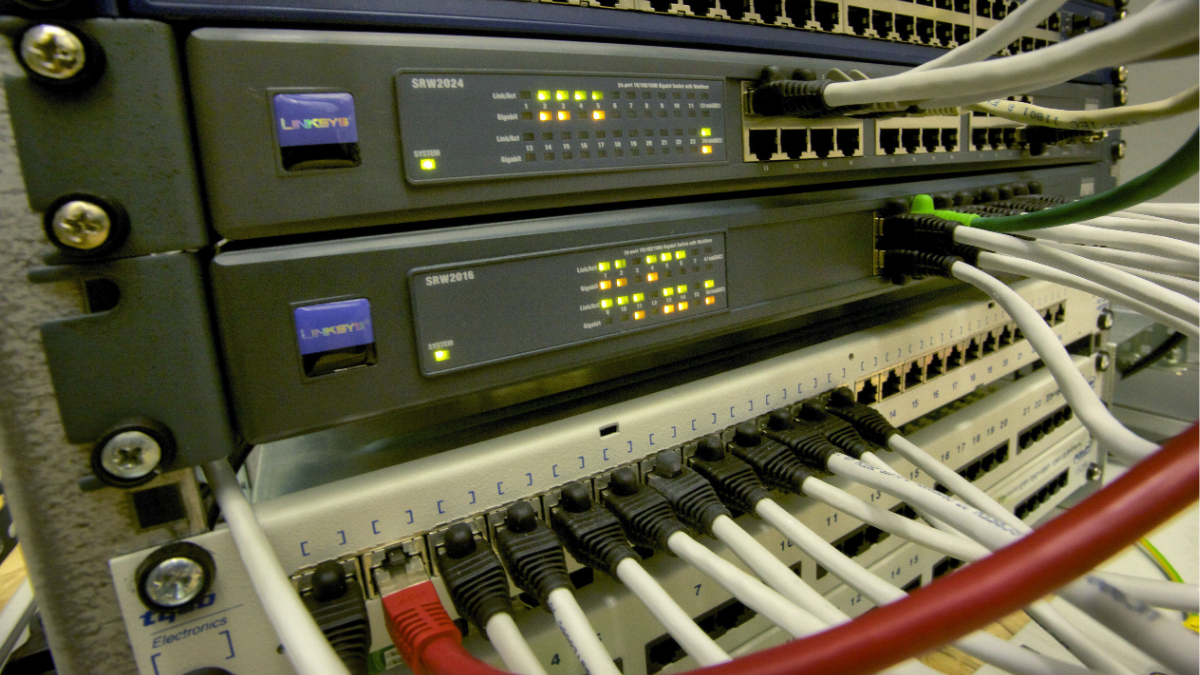
Modern businesses depend on network infrastructure to support communication, security, cloud applications, transactions, and day-to-day operations. Whether serving a single location or managing hundreds of sites nationwide, organizations require reliable network infrastructure to maintain connectivity, productivity, and operational continuity.
However, reliable networks are not built around a single technology or piece of equipment. Strong network performance results from multiple infrastructure components working together to provide stable connectivity, security, scalability, and redundancy.
Understanding the core components of network infrastructure helps businesses make informed technology decisions, improve reliability, and support future growth.
This article explores the essential elements of a reliable network infrastructure, how they work together, and why each plays a critical role in business operations.
Key Takeaways
• Reliable network infrastructure consists of multiple interconnected technologies and systems
• Network switches, routers, cabling, wireless networks, and security systems all contribute to overall performance
• Proper infrastructure design improves uptime, scalability, and operational efficiency
• Structured cabling provides the foundation for reliable connectivity
• Wireless infrastructure requires strategic planning and ongoing optimization
• Network security helps protect business systems and sensitive data
• Scalability and redundancy support long-term growth and business continuity
What Is Network Infrastructure?
Network infrastructure refers to the physical and virtual components that enable devices, applications, and systems to communicate and exchange data.
These components work together to support:
• Internet connectivity
• Internal communications
• Cloud applications
• Security systems
• Point-of-sale transactions
• Mobile devices
• Remote access solutions
• Business-critical operations
A properly designed network infrastructure helps organizations maintain reliable performance while supporting changing operational requirements.
Businesses seeking a broader overview may also benefit from reading network infrastructure for businesses.
Why Reliable Network Infrastructure Matters
Network infrastructure affects nearly every technology-dependent function within an organization.
Poor infrastructure can contribute to:
• Connectivity interruptions
• Slow application performance
• Transaction delays
• Security vulnerabilities
• Reduced productivity
• Operational downtime
Reliable infrastructure helps businesses:
| Benefit | Operational Impact |
| Increased uptime | Improved business continuity |
| Faster connectivity | Better user experience |
| Enhanced security | Reduced cyber risk |
| Improved scalability | Easier future growth |
| Better visibility | Simplified management |
As businesses become increasingly connected, infrastructure reliability becomes more important than ever.
1. Structured Cabling
Structured cabling serves as the foundation of most commercial network environments.
It provides the physical pathways that connect devices, switches, servers, access points, and other infrastructure components.
Common Structured Cabling Components
• Ethernet cabling
• Patch panels
• Cable pathways
• Network racks and cabinets
• Fiber optic cabling
• Cable management systems
Benefits of Structured Cabling
• Improved reliability
• Easier troubleshooting
• Better scalability
• Cleaner infrastructure organization
• Simplified maintenance
Poor cabling practices can create connectivity issues that affect the entire network.
Organizations planning technology deployments should prioritize structured cabling as part of their infrastructure strategy.
2. Network Switches
Network switches act as the traffic management layer within a network.
They connect devices and direct data to the appropriate destinations.
Commonly connected devices include:
• Computers
• Wireless access points
• Surveillance cameras
• POS terminals
• Servers
• VoIP phones
Why Switches Matter
| Function | Business Benefit |
| Device connectivity | Network communication |
| Traffic management | Improved performance |
| Power over Ethernet (PoE) | Simplified device deployment |
| VLAN support | Enhanced security and organization |
Proper switch selection is critical for network reliability and scalability.
3. Routers and Internet Connectivity
Routers connect internal business networks to external networks and internet services.
They manage:
• Internet traffic
• Network routing decisions
• WAN connectivity
• Remote access communications
Reliable internet connectivity remains essential for:
• Cloud applications
• Payment processing
• Remote work environments
• Multi-site communication
• SaaS platforms
Organizations should evaluate both router performance and internet service reliability when planning infrastructure improvements.
4. Wireless Network Infrastructure
Wireless connectivity has become a critical component of modern business operations.
Wi-Fi supports:
• Employee devices
• Mobile POS systems
• Guest access networks
• Security technologies
• IoT devices
• Cloud-connected applications
Components of Wireless Infrastructure
• Wireless access points
• Wireless controllers
• Network switches
• RF management tools
• Coverage optimization systems
Wireless infrastructure requires strategic design to ensure both coverage and capacity.
Businesses evaluating wireless performance may also benefit from understanding what makes a commercial wireless network reliable.
5. Network Security Systems
Security is a core component of any reliable network infrastructure.
As networks become more connected, cybersecurity risks continue to increase.
Common network security technologies include:
• Firewalls
• Intrusion detection systems
• Network segmentation
• Secure VPN access
• Endpoint protection solutions
• Access control policies
Benefits of Network Security Infrastructure
| Security Component | Purpose |
| Firewalls | Traffic filtering and threat prevention |
| VPNs | Secure remote connectivity |
| Network segmentation | Isolation of critical systems |
| Monitoring tools | Threat visibility and detection |
Strong security practices help protect both operational systems and business data.
6. Redundancy and Business Continuity Solutions
Even well-designed networks can experience unexpected failures.
Redundancy helps minimize operational disruptions when failures occur.
Examples include:
• Backup internet connections
• Redundant network hardware
• Secondary power sources
• Failover configurations
• Cloud backup systems
Organizations that rely heavily on connectivity should incorporate redundancy into their infrastructure planning.
Businesses evaluating uptime strategies may also benefit from reading power requirements for modern network and security systems.
7. Power Infrastructure
Network performance depends on stable electrical infrastructure.
Critical network equipment requires continuous power to maintain operations.
Common power infrastructure components include:
• Uninterruptible Power Supplies (UPS)
• Backup generators
• Power distribution units (PDUs)
• Surge protection systems
• Redundant power supplies
Power disruptions can affect:
• Network connectivity
• Security systems
• Cloud communications
• Transaction processing
Reliable power infrastructure helps maintain operational continuity during outages.
8. Network Monitoring and Management Tools
Ongoing monitoring helps businesses identify issues before they become operational disruptions.
Monitoring solutions provide visibility into:
• Device status
• Network utilization
• Wireless performance
• Security events
• Connectivity issues
Benefits of Monitoring
• Faster issue resolution
• Improved uptime
• Better performance visibility
• Reduced downtime risk
• Proactive maintenance planning
Networks that are actively monitored typically experience fewer unexpected disruptions.
9. Scalability Planning
Reliable infrastructure should support future business growth.
Scalable networks can accommodate:
• Additional users
• New locations
• Increased device counts
• Emerging technologies
• Expanded cloud services
Scalability Considerations
| Growth Factor | Infrastructure Requirement |
| Additional employees | Increased capacity |
| New business locations | Expanded connectivity |
| IoT adoption | Device support |
| Security expansion | Bandwidth and storage growth |
Planning for growth early helps reduce future upgrade costs and operational disruptions.
10. Professional Network Design and Project Management
Technology alone does not create a reliable network.
Successful infrastructure deployments require:
• Proper planning
• Site assessments
• Design expertise
• Installation coordination
• Testing and validation
• Ongoing support strategies
Project management helps ensure all infrastructure components work together effectively.
Organizations managing larger deployments may also benefit from reading managing multi-site network installations successfully.
Common Signs Your Network Infrastructure Needs Improvement
Businesses should evaluate their infrastructure if they experience:
• Frequent connectivity interruptions
• Slow network performance
• Wireless dead zones
• Transaction processing delays
• Security concerns
• Device capacity limitations
• Difficulty supporting new technologies
These symptoms often indicate underlying infrastructure issues that require attention.
Frequently Asked Questions
What is network infrastructure?
Network infrastructure consists of the physical and virtual technologies that enable devices, applications, and systems to communicate and exchange data.
What are the most important components of network infrastructure?
Key components include structured cabling, switches, routers, wireless networks, security systems, power infrastructure, monitoring tools, and redundancy solutions.
Why is structured cabling important?
Structured cabling provides the physical foundation that supports reliable connectivity, scalability, and easier maintenance.
How does wireless infrastructure affect network performance?
Wireless infrastructure impacts coverage, capacity, mobility, and connectivity for devices and users throughout a facility.
Why is redundancy important in network design?
Redundancy helps maintain operations during equipment failures, internet outages, or power disruptions.
How can businesses improve network reliability?
Organizations can improve reliability through proper design, infrastructure upgrades, monitoring, security planning, redundancy, and proactive maintenance.
Final Thoughts
Reliable network infrastructure is built on a combination of technologies, planning, and ongoing management. Structured cabling, switching, routing, wireless networking, security, power systems, monitoring, and scalability all play important roles in supporting business operations.
Organizations that invest in strong infrastructure foundations are better positioned to improve connectivity, reduce downtime, support growth, and adapt to evolving technology requirements.
Prime-Net helps businesses design, deploy, and support reliable network infrastructure through structured cabling, wireless networking, network hardware deployment, security integration, project management, and ongoing technology support. Our team works with organizations across multiple industries to build scalable infrastructure solutions that support operational continuity and long-term growth.
If your organization is evaluating network upgrades or planning new infrastructure deployments, contact Prime-Net at info@prime-net.net to learn more about our commercial networking capabilities.