Mobile security systems have become increasingly important for businesses that require real-time visibility, asset protection, workforce monitoring, and remote operational oversight. From GPS tracking devices and mobile surveillance platforms to connected field equipment and fleet security technologies, these systems depend heavily on reliable network infrastructure to function effectively.
Without stable and properly designed network infrastructure, mobile security systems may experience connectivity failures, delayed data transmission, reduced visibility, and operational disruptions.
This article explains how network infrastructure supports mobile security systems, why connectivity reliability matters, and what businesses should consider when deploying mobile security technologies across commercial environments.
Key Takeaways
• Mobile security systems rely on network infrastructure for real-time communication and monitoring
• Wireless connectivity stability directly affects tracking accuracy and system responsiveness
• Network design impacts video transmission, GPS performance, remote access, and alert functionality
• Bandwidth management is critical for mobile surveillance and data-heavy applications
• Secure network architecture helps protect sensitive operational and location data
• Scalable infrastructure supports expanding fleets, devices, and multi-site operations
• Professional network planning improves reliability, uptime, and long-term performance
What Are Mobile Security Systems?
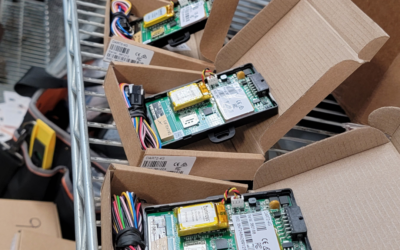
Mobile security systems refer to technologies that provide monitoring, tracking, surveillance, and security functions through connected mobile or remote devices.
These systems are commonly used in industries such as:
| Industry | Common Mobile Security Applications |
| Retail | Asset tracking, mobile surveillance trailers, delivery monitoring |
| Construction | Equipment tracking, mobile CCTV systems, jobsite monitoring |
| Logistics & Transportation | Fleet tracking, driver monitoring, cargo security |
| Restaurants & Hospitality | Delivery fleet visibility, remote site monitoring |
| Healthcare | Mobile asset tracking, fleet coordination |
| Commercial Services | Field workfoce tracking and remote equipment monitoring |
Examples of mobile security technologies include:
• GPS asset tracking systems
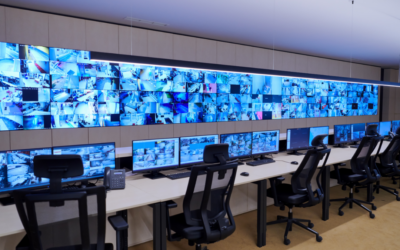
• Mobile CCTV and surveillance platforms
• Vehicle security systems
• Remote monitoring equipment
• Wireless alarm systems
• Fleet management technologies
• Mobile access control systems
• IoT-connected security devices
These systems depend on strong network infrastructure to transmit data continuously and securely.
Why Network Infrastructure Matters for Mobile Security Systems
Network infrastructure serves as the communication foundation that allows mobile security devices to send, receive, process, and store data.
A poorly designed network can lead to:
• Delayed alerts
• Intermittent connectivity
• Video buffering or loss
• Inaccurate GPS reporting
• Device communication failures
• Security vulnerabilities
• Reduced operational visibility
Reliable infrastructure helps ensure that mobile security systems remain responsive and operational across changing environments.
Businesses deploying connected technologies should also understand how broader infrastructure planning impacts system reliability, as discussed in network infrastructure for businesses.
Core Components of Network Infrastructure for Mobile Security Systems
Several infrastructure components work together to support mobile security technologies.
| Infrastructure Component | Purpose |
| Wireless Networks | Enable communication between mobile devices and monitoring systems |
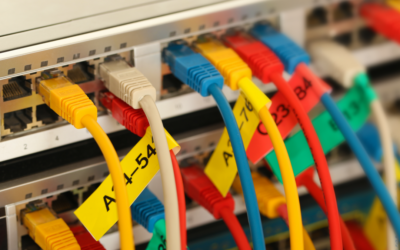
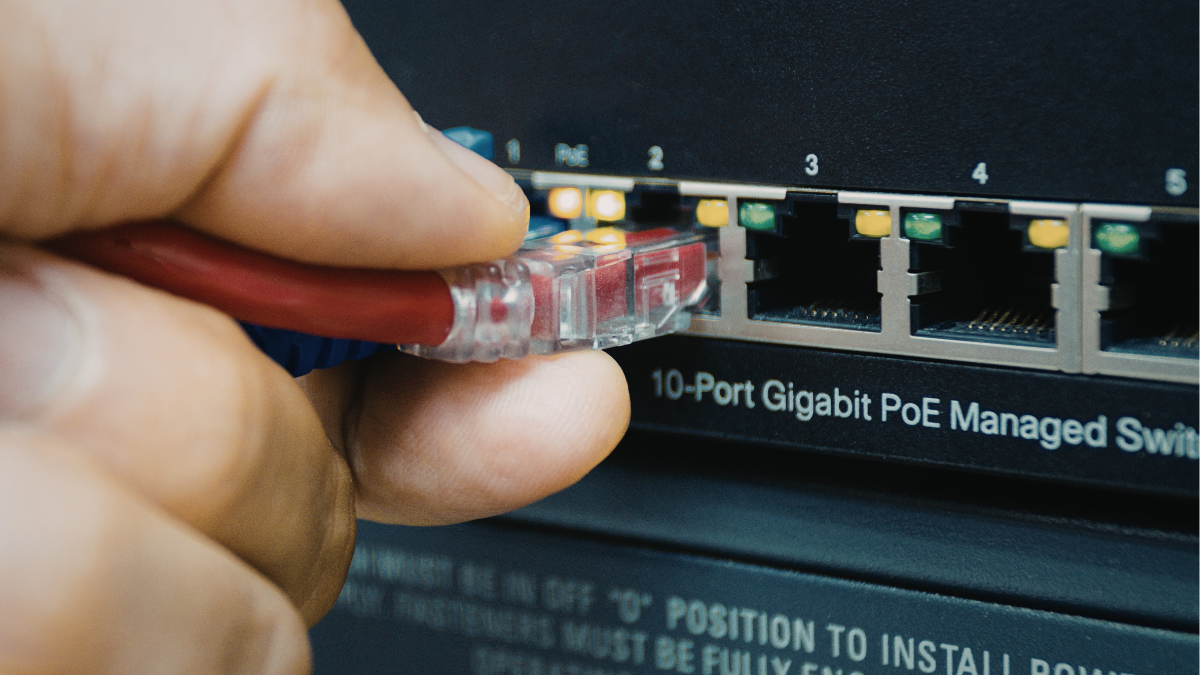
| Routers & Switches | Manage traffic and device connectivity |
| Cellular Connectivity | Supports remote and mobile operations outside fixed facilities |
| Cloud Connectivity | Enables remode access centralized monitoring, and data storage |
| Firewalls & Security Layers | Protect sensitive operational and location data |
| VPN Access | Secures remote device communication |
| Network Monitoring Tools | Help identify outages, latency, and performance issues |
Each component contributes to system performance, reliability, and scalability.
1. Wireless Connectivity Enables Real-Time Communication
Wireless networking is one of the most important infrastructure requirements for mobile security systems.
Mobile devices continuously transmit data such as:
• GPS coordinates
• Video feeds
• Security alerts
• Sensor data
• Operational status updates
Reliable wireless infrastructure helps ensure this information is delivered in real time.
Common wireless technologies include:
• Wi-Fi networks
• LTE and 5G cellular networks
• Private wireless networks
• Low-power IoT communication systems
Businesses operating across large facilities or multiple locations often require carefully planned wireless coverage to reduce dead zones and connectivity interruptions.
Companies deploying wireless systems may also benefit from understanding what makes a commercial wireless network reliable.
2. Bandwidth Supports Mobile Surveillance and Video Transmission
Mobile surveillance systems generate significant amounts of network traffic.
High-definition video streams, cloud uploads, and live monitoring applications require sufficient bandwidth to operate smoothly.
Without adequate bandwidth, businesses may experience:
• Video lag
• Image degradation
• Recording interruptions
• Delayed remote access
• Incomplete footage transmission
Bandwidth planning becomes especially important for:
| Mobile Security Application | Bandwidth Demand |
| HD Mobile CCTV | High |
| Multi-Camera Surveillance Trailers | Very High |
| GPS Tracking | Low |
| IoT Security Sensors | Low |
| Live Remote Monitoring | Moderate to High |
Proper traffic prioritization and network optimization help maintain consistent performance during peak usage periods.
Businesses using surveillance technologies should also understand how infrastructure affects camera performance, as discussed in network infrastructure for CCTV systems.
3. Cellular Connectivity Expands Mobile Security Coverage
Many mobile security systems operate outside traditional office or retail environments.
Examples include:
• Fleet vehicles
• Temporary jobsites
• Mobile surveillance trailers
• Outdoor assets
• Remote field operations
Cellular connectivity allows these systems to maintain communication even when fixed internet connections are unavailable.
Modern mobile security deployments often rely on:
• 4G LTE networks
• 5G connectivity
• Dual-carrier redundancy solutions
• Signal amplification systems
Reliable cellular network integration helps improve uptime and operational visibility.
4. Secure Network Architecture Protects Sensitive Data
Mobile security systems often transmit sensitive information such as:
• Vehicle locations
• Employee movement data
• Surveillance footage
• Access control activity
• Operational schedules
Without proper security protections, these systems may become vulnerable to cyber threats or unauthorized access.
Secure infrastructure strategies may include:
• Network segmentation
• Encrypted communications
• Firewall deployment
• Secure remote access policies
• Multi-factor authentication
• VPN implementation
• Continuous network monitoring
Businesses deploying connected security systems should prioritize cybersecurity alongside physical security planning.
5. Cloud Connectivity Improves Remote Monitoring
Many modern mobile security systems use cloud-based platforms for centralized management and monitoring.
Cloud connectivity allows businesses to:
• Access systems remotely
• Monitor assets across multiple locations
• Receive real-time alerts
• Store surveillance footage centrally
• Generate operational reports
• Improve scalability
However, cloud-based systems require stable internet performance and sufficient upload capacity to maintain reliability.
Organizations managing multiple locations may benefit from structured infrastructure planning similar to strategies used in commercial network installation projects.
6. Network Scalability Supports Business Growth
As businesses expand operations, mobile security systems often grow alongside them.
Scalable infrastructure allows organizations to support:
• Additional vehicles
• More tracking devices
• Expanded surveillance systems
• Multi-site monitoring
• Higher data volumes
• Future technology integrations
Without scalable infrastructure planning, businesses may eventually face:
• Performance bottlenecks
• Device limitations
• Increased downtime
• Higher upgrade costs
Scalable network design helps reduce future operational disruptions and supports long-term technology adoption.
7. Network Monitoring Helps Maintain System Reliability
Continuous network monitoring helps businesses identify issues before they affect mobile security operations.
Monitoring tools can detect:
• Connectivity interruptions
• Bandwidth congestion
• Device outages
• Signal degradation
• Latency issues
• Unauthorized access attempts
Proactive monitoring improves uptime and helps reduce service interruptions that could compromise security visibility.
Common Challenges in Mobile Security Network Infrastructure
Businesses deploying mobile security systems often encounter several infrastructure-related challenges.
| Common Challenge | Potential Impact |
| Weak wireless coverage | Connectivity interruptions |
| Insufficient bandwidth | Video buffering and lag |
| Poor cellular reception | Loss of remote visibility |
| Inadequate cybersecurity | Increased security risk |
| Device scalability limitations | Reduced future flexibility |
| Network congestion | Delayed alerts and communication |
Best Practices for Supporting Mobile Security Systems
Businesses can improve mobile security system performance by following several infrastructure best practices.
Recommended Best Practices
• Conduct wireless and connectivity assessments
• Design networks around expected device volumes
• Prioritize bandwidth for critical applications
• Use redundant connectivity where appropriate
• Implement strong cybersecurity protections
• Monitor network performance continuously
• Plan infrastructure scalability early
• Coordinate network design with operational workflows
Organizations deploying mobile technologies may also benefit from understanding the importance of Wi-Fi site surveys before installation.
Frequently Asked Questions
What is a mobile security system?
A mobile security system uses connected devices such as GPS trackers, surveillance systems, sensors, or mobile monitoring equipment to provide real-time security visibility and operational monitoring.
Why is network infrastructure important for mobile security systems?
Network infrastructure enables communication between devices, monitoring platforms, cloud systems, and users. Reliable connectivity is essential for real-time monitoring and data transmission.
Can poor network infrastructure affect GPS tracking accuracy?
Yes. Weak connectivity, signal interruptions, and unstable networks can delay or interrupt GPS reporting and asset visibility.
What type of network is best for mobile security systems?
The best network depends on operational requirements. Many businesses use a combination of Wi-Fi, LTE, 5G, cloud connectivity, and secure wired infrastructure.
How does bandwidth affect mobile surveillance systems?
High-definition video surveillance requires significant bandwidth. Insufficient bandwidth can lead to buffering, degraded image quality, and delayed video transmission.
Why is cybersecurity important for mobile security systems?
Mobile security systems often handle sensitive operational and location data. Secure network architecture helps protect systems from unauthorized access and cyber threats.
Final Thoughts
Mobile security systems rely heavily on stable, scalable, and secure network infrastructure to deliver real-time visibility, operational monitoring, and asset protection. From GPS tracking and mobile surveillance to cloud-based remote monitoring platforms, infrastructure reliability directly impacts system performance and business continuity.
Organizations that invest in properly designed network infrastructure can improve uptime, reduce operational disruptions, strengthen security visibility, and support long-term technology scalability.
Prime-Net supports businesses with commercial network infrastructure, wireless networking, mobile technology integration, and connectivity solutions designed to help organizations deploy reliable mobile security systems across single-site and multi-site operations.
If your business is planning mobile security deployments and requires scalable network infrastructure to support connected technologies, contact Prime-Net at info@prime-net.net to learn more about our commercial networking capabilities.