
In retail and commercial environments, every second at checkout matters. Slow transactions, system freezes, or connectivity drops can lead to long lines, frustrated customers, and lost revenue.
While many businesses focus on point-of-sale software or terminal hardware, the true driver of transaction speed and reliability is the underlying POS network infrastructure within a broader network infrastructure for businesses.
What is POS network infrastructure?
POS network infrastructure refers to the network systems that connect point-of-sale terminals to payment processors, cloud platforms, and internal databases. This includes structured cabling, switches, routers, wireless networks, power systems, and network configuration.
When this infrastructure is properly designed and maintained during the commercial network installation process, POS systems can process transactions quickly, securely, and consistently across the entire store environment.
Key Takeaways
• POS performance depends heavily on network latency and connectivity stability
• Proper bandwidth planning and traffic segmentation prevent slowdowns during peak hours
• Structured cabling ensures stable signal transmission between terminals and servers
• Wireless networks must be engineered for coverage, roaming, and device density
• Electrical stability and backup power protect POS uptime during disruptions
How Network Latency Affects Transaction Processing Speed
Latency refers to the delay between a POS terminal sending data and receiving a response from a payment processor or server.
High latency can cause:
• Slow card authorization
• Delayed receipt printing
• Lag in inventory updates
• Frozen checkout screens
Network infrastructure affects latency through:
• Switch and router configuration
• Bandwidth allocation
• Quality of Service settings
• Internal network congestion
Why it matters: Even small delays can accumulate during peak checkout periods, slowing customer flow and reducing store efficiency.
How Bandwidth Impacts Peak Hour Performance
Retail stores often experience heavy traffic during promotions, holidays, and weekends. During these periods, the network must support multiple systems operating simultaneously.
Typical network activity during peak hours includes:
• Multiple POS transactions
• Credit card processing
• Inventory database queries
• Loyalty program lookups
• Cloud reporting systems
• CCTV systems that rely on network infrastructure and other connected devices
If bandwidth is insufficient or poorly managed, stores may experience:
• Transaction timeouts
• System slowdowns
• Dropped connections
Key benefit: Proper bandwidth planning and traffic prioritization ensure smooth transaction processing even during high-volume periods.
Why Structured Cabling Matters for POS Connectivity
Structured cabling forms the physical backbone of POS connectivity.
Outdated or poorly installed cabling can lead to:
• Packet loss
• Intermittent disconnections
• Reduced data throughput
• Increased troubleshooting time
Modern POS environments typically require:
• Category 6 or Category 6A copper cabling
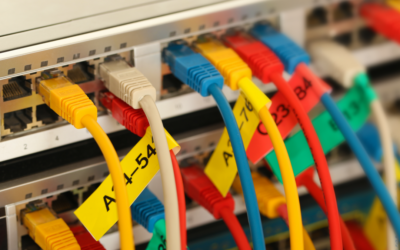
• Proper termination and labeling
• Certified cable testing
• Organized cable management
Why it matters: Reliable cabling ensures stable data transmission between POS terminals, switches, and backend systems.
Wireless POS Deployments and Coverage Requirements
Many retailers now rely on wireless POS systems, mobile checkout tablets, and handheld inventory scanners.
Without a properly engineered wireless network, businesses may experience:
• Dead zones near checkout areas
• Weak signals in high-traffic sections
• Roaming interruptions
• Channel interference
A professionally designed wireless infrastructure typically begins with a Wi-Fi site survey and includes:
• Strategic access point placement
• Channel optimization
• Capacity planning for device density
• Secure segmentation for POS traffic
Key benefit: Optimized wireless coverage ensures mobile POS transactions remain as reliable as wired connections.
Why Network Segmentation Improves POS Security and Performance
POS networks must remain secure and isolated from guest or non-critical traffic.
Without segmentation, businesses risk:
• Network congestion
• Security vulnerabilities
• Compliance violations
• Increased exposure to cyber threats
Effective POS network architecture includes:
• VLAN segmentation
• Firewall rules and access controls
• Encrypted communications
• Dedicated prioritization for POS traffic
Why it matters: Segmentation protects payment systems while ensuring POS traffic remains prioritized on the network.
How Power Stability Impacts POS Reliability
Network performance depends heavily on electrical stability.
Power fluctuations can lead to:
• POS terminal reboots
• Network switch resets
• Interrupted transactions
• Hardware failures
Reliable infrastructure typically includes:
• Dedicated electrical circuits for network racks
• Surge protection devices
• Uninterruptible Power Supplies (UPS)
• Backup generator integration where needed
Key benefit: Stable power ensures continuous transaction processing even during electrical disturbances.
Hardware Performance and Network Configuration
Enterprise-grade networking equipment is designed to handle high transaction volumes across busy retail environments.
Improperly configured or underpowered hardware can result in:
• Network bottlenecks
• Overloaded switches
• Packet loss
• Slow internal routing
Best practices include:
• Selecting hardware appropriate for store size and traffic volume
• Configuring Quality of Service for POS traffic
• Monitoring network performance metrics
• Planning hardware capacity for future growth
Why it matters: Proper hardware selection and configuration directly affect checkout speed and overall system reliability.
Cloud POS Systems and WAN Reliability
Many modern POS platforms rely on cloud connectivity, which means wide-area network performance becomes critical.
Poor WAN connectivity can lead to:
• Delayed payment authorization
• POS systems switching to offline mode
• Data synchronization delays
• Incomplete transaction records
Optimized infrastructure may include:
• Redundant internet connections
• Failover routing
• Continuous network monitoring
• Bandwidth management policies
Key benefit: Redundant connectivity significantly reduces the risk of transaction downtime.
Multi-Site POS Deployments and Standardization
For retail chains and franchise operations, consistency across locations is essential.
Without standardized network infrastructure, organizations may experience:
• Varying transaction speeds
• Inconsistent security policies
• Different hardware performance levels
• Uneven customer experiences
A structured deployment strategy ensures:
• Consistent hardware specifications
• Standardized configurations
• Unified security policies
• Centralized deployment oversight
Why it matters: Standardization ensures customers experience the same fast, reliable checkout process across every store.
Common Signs Your POS Network Needs Improvement
If your store experiences any of the following issues, the network may be the root cause:
• Frequent POS system freezes
• Slow credit card processing
• Random terminal disconnections
• Delayed end-of-day reporting
• Repeated hardware replacements
Many problems that appear to be software-related are often caused by underlying network infrastructure issues.
How Prime-Net Designs High-Performance POS Network Infrastructure
Prime-Net designs POS network infrastructure built for reliability, security, and scalability across retail environments.
Our approach includes:
• Pre-deployment infrastructure assessments
• Structured cabling installation and certification
• Wireless network design and validation
• Electrical coordination for stable power delivery
• Network segmentation and security planning
• Project management for network deployments for single and multi-site environments
Prime-Net supports organizations with point-of-sale systems, wireless networks, network infrastructure installation, electrical services, and nationwide deployment capabilities. This integrated approach ensures every component of the POS environment works together seamlessly.
Frequently Asked Questions
Why is my POS system running slowly?
Slow POS systems are often caused by network latency, insufficient bandwidth, poor cabling, or wireless interference rather than software issues alone.
Does upgrading network infrastructure improve transaction speed?
Yes. Upgrading switches, cabling, bandwidth capacity, and wireless design can significantly reduce transaction processing times.
Should POS systems run on a separate network?
Yes. POS systems should be segmented from guest and non-critical networks to improve both security and performance.
How can businesses prevent POS downtime during power outages?
Installing UPS systems, surge protection devices, and backup power systems helps keep network equipment operational during electrical interruptions.
Can network infrastructure affect credit card authorization speed?
Yes. High latency, poor WAN connectivity, or network congestion can delay payment authorization responses.
Final Thoughts
POS transaction speed and reliability depend heavily on the strength of the underlying network infrastructure. Even the most advanced POS software and hardware cannot compensate for unstable connectivity, outdated cabling, or insufficient bandwidth.
Organizations that invest in well-designed network infrastructure benefit from faster checkout experiences, improved system reliability, and stronger operational performance.
Prime-Net delivers end-to-end POS network infrastructure solutions for retail and multi-site enterprises. From structured cabling and wireless deployment to electrical coordination and project management, our team ensures POS environments are built for speed, stability, and long-term scalability.
For more information about optimizing your POS network infrastructure, contact Prime-Net at info@prime-net.net. Our team is ready to support your organization with scalable, high-performance network solutions.