Low-voltage systems play a critical role in modern commercial environments by supporting communication, security, connectivity, and operational technologies. From network cabling and wireless systems to access control and surveillance infrastructure, properly installed low-voltage systems help businesses maintain reliable performance, scalability, and operational efficiency.
However, low-voltage installation projects often involve multiple technologies, trades, timelines, and coordination requirements. Without proper planning and installation practices, businesses may encounter connectivity problems, system failures, compliance issues, and costly rework.
This article explains the best practices for low-voltage installation projects, common challenges businesses face during deployment, and how structured planning helps improve long-term system reliability.
Key Takeaways
• Low-voltage systems support communication, security, networking, and operational technologies
• Proper planning helps reduce installation delays, performance issues, and future maintenance costs
• Structured cabling and infrastructure organization improve scalability and troubleshooting
• Coordination between trades is critical during commercial construction and renovation projects
• Wireless planning and network design directly affect system performance
• Documentation and testing help verify system functionality and long-term reliability
• Experienced project management improves consistency across multi-site deployments
What Are Mobile Security Systems?
Low-voltage installation projects involve deploying systems that operate using lower electrical voltage levels than standard power systems.
These technologies commonly support:
| System Type | Common Applications |
| Data & Network Cabling | Internet connectivity, device communication |
| Wireless Networks | Wi-Fi access and mobile connectivity |
| CCTV & Surveillance | Video monitoring and security |
| Access Control Systems | Door access management |
| Audio/Visual Systems | Communication and presentation systems |
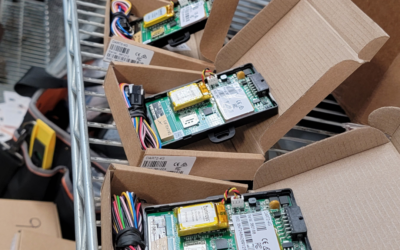
| GPS & IoT Devices | Asset tracking and connected technologies |
| Point-of-Sale Infrastructure | Retail transaction systems |
| Structured Cabling | Centralized connectivity infrastructure |
Low-voltage systems are essential across industries including retail, restaurants, healthcare, logistics, hospitality, commercial offices, and industrial facilities.
Why Proper Low-Voltage Installation Matters
Low-voltage infrastructure directly affects system reliability, communication performance, and operational continuity.
Poorly executed installations may lead to:
• Network instability
• Device connectivity failures
• Signal interference
• Security vulnerabilities
• Increased downtime
• Difficult troubleshooting
• Future scalability limitations
Proper installation practices help businesses avoid unnecessary operational disruptions and improve long-term infrastructure performance.
Businesses planning commercial technology deployments should also understand how structured infrastructure planning supports reliability, as discussed in network infrastructure for businesses.
1. Begin With Detailed Site Assessments
One of the most important steps in any low-voltage project is conducting a thorough site assessment before installation begins.
Site assessments help identify:
• Existing infrastructure conditions
• Cable routing limitations
• Electrical interference risks
• Equipment placement requirements
• Wireless coverage challenges
• Environmental considerations
• Access restrictions
Early assessments reduce installation surprises and improve project planning accuracy.
For wireless-dependent systems, businesses may also benefit from understanding the importance of Wi-Fi site surveys before deployment.
2. Design Infrastructure Around Scalability
Low-voltage systems should support both current operational requirements and future business growth.
Scalable infrastructure planning may include:
• Additional cable capacity
• Spare network switch ports
• Flexible rack space
• Modular system architecture
• Future wireless expansion support
• Additional device connectivity planning
Without scalability considerations, businesses may face expensive upgrades or disruptive retrofits later.
Benefits of Scalable Infrastructure
| Scalable Design Benefit | Operational Impact |
| Easier future expansion | Reduced upgrade costs |
| Additional device support | Greater operational flexibility |
| Improved cable organization | Faster troubleshooting |
| Centralized infrastructure | Better system management |
Scalable planning becomes especially important for multi-site commercial operations.
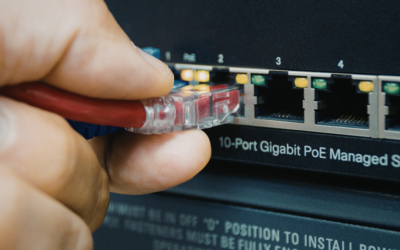
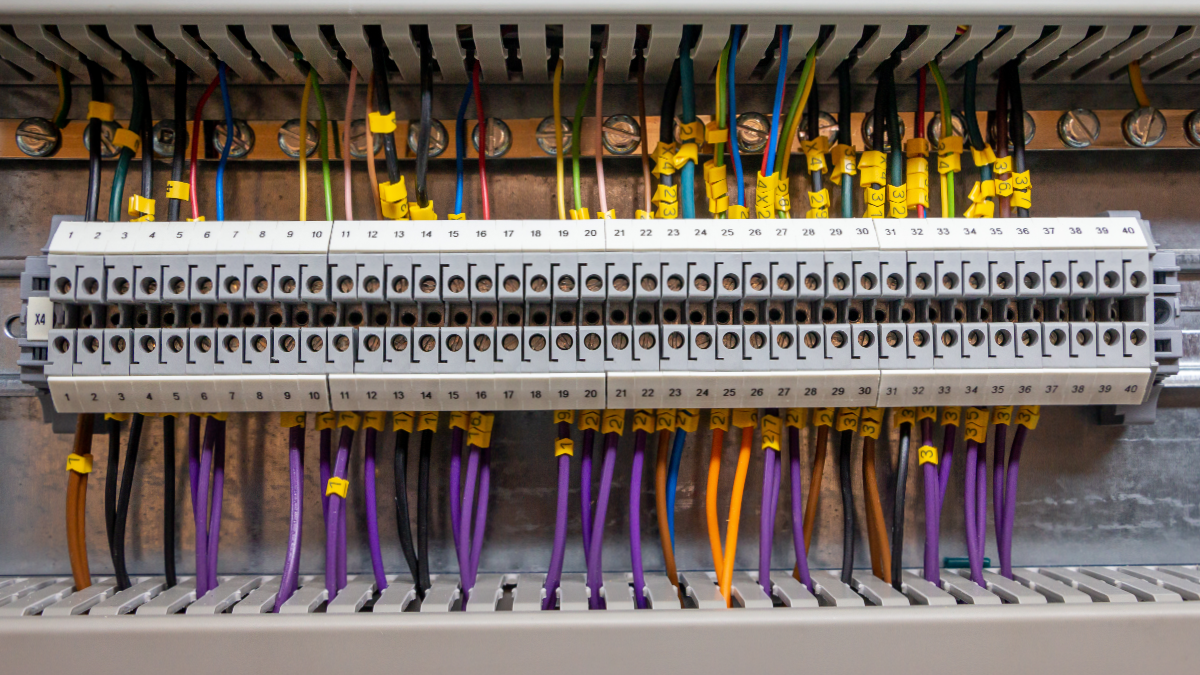
3. Follow Structured Cabling Standards
Structured cabling is one of the foundational components of successful low-voltage installations.
Best practices include:
• Proper cable labeling
• Organized cable management
• Standardized termination methods
• Maintaining bend radius requirements
• Avoiding cable overcrowding
• Separating power and data cabling
• Using appropriate cable categories
Structured installations improve:
• Troubleshooting efficiency
• System reliability
• Airflow management
• Long-term maintenance access
• Future scalability
Businesses supporting connected operational technologies may also benefit from understanding how network infrastructure affects transaction reliability.
4. Coordinate Closely With Other Trades
Low-voltage projects often overlap with multiple construction and facility trades.
Coordination may involve:
• Electrical contractors
• HVAC teams
• General contractors
• Security vendors
• IT departments
• Facilities management teams
Poor coordination can create:
• Installation conflicts
• Delays in project schedules
• Access issues
• Infrastructure rework
• Device placement problems
Early communication and coordinated scheduling help reduce these risks.
Organizations managing larger deployments may also benefit from understanding why project management matters in network deployments.
5. Optimize Wireless Network Performance
Wireless connectivity plays a major role in modern low-voltage systems.
Wireless-dependent technologies may include:
• Mobile devices
• Wireless access control
• IoT sensors
• Mobile POS systems
• Surveillance systems
• GPS tracking platforms
Wireless optimization best practices include:
• Proper access point placement
• Coverage overlap planning
• Interference reduction
• Signal strength testing
• Capacity planning
• Bandwidth prioritization
Poor wireless planning can negatively affect both operational performance and user experience.
Businesses deploying commercial Wi-Fi systems may also benefit from learning what makes a commercial wireless network reliable.
6. Prioritize Network Security During Installation
Many low-voltage systems connect directly to business networks and cloud platforms.
Without proper security protections, these systems may introduce cybersecurity risks.
Recommended security practices include:
• Network segmentation
• Firewall protection
• Secure remote access
• Encrypted communications
• Device authentication
• Strong password policies
• Firmware update management
Security planning should occur during initial installation, not after deployment.
7. Perform Comprehensive System Testing
Testing is essential before turning over any low-voltage installation project.
Testing procedures may include:
| Testing Type | Purpose |
| Cable Certification Testing | Verifies cabling performance |
| Wireless Coverage Testing | Confirms signal reliability |
| Device Connectivity Testing | Ensures operational communication |
| Camera & Surveillance Testing | Confirms video functionality |
| Access Control Testing | Verifies door and credential operation |
| Failover Testing | Validates backup connectivity |
Testing helps identify issues before systems become operationally critical.
8. Maintain Accurate Documentation
Documentation is often overlooked during installation projects, but it plays a major role in long-term infrastructure management.
Recommended documentation includes:
• Cable labeling maps
• Rack elevation diagrams
• Device inventories
• IP address assignments
• Wireless heat maps
• System configurations
• Testing results
Accurate documentation improves troubleshooting efficiency and future maintenance planning.
9. Plan for Ongoing Maintenance and Support
Low-voltage systems require ongoing maintenance to maintain optimal performance.
Maintenance planning may include:
• Firmware updates
• Network monitoring
• Device inspections
• Cable management reviews
• Wireless optimization
• Security audits
Proactive maintenance helps reduce downtime and extend system lifespan.
Common Challenges in Low-Voltage Installation Projects
Businesses often encounter several operational and technical challenges during low-voltage deployments.
| Common Challenge | Potential Impact |
| Poor cable management | Difficult troubleshooting |
| Inadequate wireless coverage | Connectivity interruptions |
| Limited scalability planning | Expensive future upgrades |
| Trade coordination delays | Project schedule disruptions |
| Insufficient documentation | Maintenance inefficiencies |
| Network congestion | Reduced system performance |
Best Practices Checkist for Low-Voltage Projects
Recommended Best Practices
• Conduct detailed pre-installation site assessments
• Design infrastructure with future scalability in mind
• Follow structured cabling standards
• Coordinate schedules with all project stakeholders
• Optimize wireless coverage and performance
• Prioritize cybersecurity protections
• Perform complete system testing before turnover
• Maintain accurate project documentation
• Implement ongoing maintenance strategies
Frequently Asked Questions
What is considered a low-voltage system?
Low-voltage systems include technologies such as network cabling, Wi-Fi systems, CCTV, access control, audio/visual systems, and connected IoT devices.
Why is structured cabling important?
Structured cabling improves organization, scalability, maintenance efficiency, and long-term system reliability.
How does wireless planning affect low-voltage systems?
Wireless performance directly impacts connectivity, communication reliability, device functionality, and user experience.
Why is project coordination important during low-voltage installations?
Low-voltage systems often overlap with other construction trades and operational activities. Coordination helps reduce delays and installation conflicts.
Should low-voltage systems include cybersecurity planning?
Yes. Many low-voltage systems connect to operational business networks and require strong cybersecurity protections.
Why is documentation important after installation?
Documentation helps businesses troubleshoot systems, manage infrastructure, support maintenance activities, and plan future upgrades.
Final Thoughts
Low-voltage installation projects require more than simply deploying cables and devices. Successful installations depend on structured planning, coordinated execution, wireless optimization, cybersecurity protections, thorough testing, and scalable infrastructure design.
Organizations that follow best practices during low-voltage deployments can improve reliability, reduce downtime, support future growth, and maintain long-term operational efficiency.
Prime-Net supports businesses with commercial low-voltage installation services, structured cabling, wireless networking, CCTV infrastructure, network deployment, and technology integration solutions designed to support reliable commercial operations across single-site and multi-site environments.
If your organization is planning a low-voltage installation project and requires scalable infrastructure and coordinated deployment support, contact Prime-Net at info@prime-net.net to learn more about our commercial technology installation capabilities.