
Video surveillance systems have become a critical component of modern business security strategies. From retail stores and restaurants to warehouses, office buildings, and commercial facilities, CCTV systems help organizations monitor operations, protect assets, improve safety, and investigate incidents.
One of the most important decisions businesses face when planning a surveillance system is whether to deploy a wired CCTV system or a wireless CCTV system. Both approaches offer unique advantages and potential limitations depending on the facility, operational requirements, network infrastructure, and long-term security goals.
Understanding the differences between wired and wireless CCTV systems helps organizations select the most appropriate solution for their environment and security objectives.
This article compares wired and wireless CCTV systems, outlines the advantages and disadvantages of each approach, and explains the factors businesses should consider before deployment.
Key Takeaways
• Wired and wireless CCTV systems both provide effective video surveillance capabilities
• Wired systems generally offer greater reliability and consistent performance
• Wireless systems provide more flexibility and easier installation in certain environments
• Network infrastructure plays a critical role in CCTV system performance
• Scalability, security, and maintenance requirements vary between deployment types
• Business goals, facility layout, and operational requirements should guide system selection
• Professional planning helps ensure long-term surveillance reliability and effectiveness
What Is a Wired CCTV System?
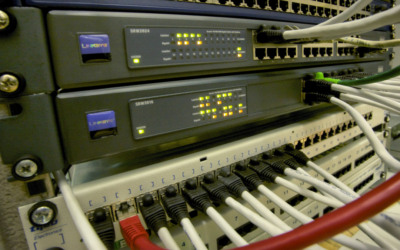
A wired CCTV system uses physical cabling to connect cameras to recording equipment, network infrastructure, or monitoring platforms.
Common components include:
• IP cameras
• Ethernet cabling
• Network switches
• Network video recorders (NVRs)
• Power over Ethernet (PoE) infrastructure
• Monitoring software platforms
Most modern commercial surveillance deployments utilize wired IP-based systems because they offer high reliability and scalability.
What Is a Wireless CCTV System?
A wireless CCTV system transmits video data over a wireless network rather than relying entirely on physical network cabling.
Wireless systems typically include:
• Wireless cameras
• Wi-Fi connectivity
• Wireless bridges or transmitters
• Cloud-based monitoring platforms
• Network recording systems
• Mobile viewing applications
Although wireless systems still require power in most cases, they reduce the need for extensive network cabling between cameras and recording infrastructure.
Why Choosing the Right CCTV Infrastructure Matters
Surveillance systems rely on network infrastructure to transmit, store, and access video data.
Poor system selection can result in:
• Video interruptions
• Connectivity issues
• Reduced image quality
• Increased maintenance requirements
• Security vulnerabilities
• Scalability limitations
Organizations planning surveillance deployments should also understand how network design affects video system performance, as discussed in network infrastructure for CCTV systems.
Wired CCTV Systems: Advantages
1. Greater Reliability
Wired CCTV systems are generally considered the most reliable surveillance option.
Because cameras communicate through dedicated cabling, they are less susceptible to:
• Wireless interference
• Signal fluctuations
• Coverage limitations
• Network congestion
This makes wired systems particularly attractive for mission-critical security environments.
2. Consistent Video Quality
Video quality remains more stable because data is transmitted over physical network connections.
Benefits include:
• Higher-resolution video support
• Reduced latency
• More consistent frame rates
• Better recording reliability
Facilities requiring detailed surveillance footage often prefer wired deployments for this reason.
3. Better Scalability for Large Facilities
Large commercial environments often support dozens or hundreds of cameras.
Examples include:
• Distribution centers
• Warehouses
• Manufacturing facilities
• Multi-site retail operations
• Large office campuses
Wired infrastructure typically scales more effectively for these types of deployments.
4. Enhanced Cybersecurity Control
While no system is immune to security risks, wired networks provide greater control over surveillance traffic.
Common security advantages include:
• Network segmentation
• Dedicated surveillance VLANs
• Controlled physical access
• Reduced wireless attack surfaces
Organizations with strict security requirements often prioritize wired deployments.
Wired CCTV Systems: Potential Drawbacks
Installation Complexity
Wired deployments often require:
• Structured cabling installation
• Cable pathway planning
• Ceiling and wall access
• Additional labor during installation
This can increase project complexity and installation timelines.
Higher Initial Installation Costs
Because of cabling and labor requirements, upfront installation costs may be higher compared to some wireless deployments.
However, long-term operational costs are often lower due to improved reliability.
Wireless CCTV Systems: Advantages
1. Easier Installation
Wireless cameras can often be deployed more quickly than fully wired systems.
Benefits include:
• Reduced cabling requirements
• Faster installation timelines
• Greater placement flexibility
• Lower disruption to existing facilities
This can be especially valuable in occupied spaces.
2. Flexible Camera Placement
Wireless systems provide more deployment flexibility in areas where running network cabling may be difficult.
Examples include:
• Temporary job sites
• Parking lots
• Remote buildings
• Outdoor monitoring locations
• Construction projects
Wireless solutions can help extend surveillance coverage without extensive infrastructure modifications.
3. Useful for Temporary Deployments
Many organizations utilize wireless surveillance for:
• Construction site monitoring
• Temporary security operations
• Mobile security trailers
• Event security environments
Businesses deploying mobile security technologies may also benefit from understanding how network infrastructure supports mobile security systems.
4. Simplified Expansion in Certain Environments
In some facilities, adding wireless cameras can be faster than extending structured cabling infrastructure.
This can support rapid security expansion when operational requirements change.
Wireless CCTV Systems: Potential Drawbacks
Wireless Interference
Wireless systems may be affected by:
• Neighboring Wi-Fi networks
• Physical obstructions
• Environmental conditions
• Signal congestion
Interference can negatively affect surveillance reliability.
Reduced Reliability
Compared to wired systems, wireless deployments may experience:
• Connectivity interruptions
• Signal degradation
• Coverage limitations
• Performance fluctuations
These issues become more significant in larger facilities.
Bandwidth Limitations
High-definition surveillance cameras generate substantial network traffic.
Wireless networks must support:
• Live video streams
• Video recordings
• Remote viewing sessions
• Multiple simultaneous camera connections
Without proper wireless planning, performance may suffer.
Organizations evaluating wireless performance may also benefit from understanding common causes of poor Wi-Fi performance in businesses.
Wired vs Wireless CCTV Comparison
| Factor | Wired CCTV | Wireless CCTV |
| Reliability | Excellent | Moderate to High |
| Video Quality Stability | Excellent | Variable |
| Installation Speed | Moderate | Fast |
| Scalability | Excellent | Moderate |
| Wireless Interference Risk | None | Present |
| Initial Installation Cost | Higher | Lower to Moderate |
| Long-Term Stability | Excellent | Moderate |
| Temporary Deployments | Less Ideal | Excellent |
| Large Facility Support | Excellent | Moderate |
| Security Control | Excellent | Good |
When a Wired CCTV System Makes Sense
A wired CCTV system is often the better choice when:
• Long-term reliability is the top priority
• The facility supports structured cabling installation
• High-resolution video is required
• Large numbers of cameras will be deployed
• Security requirements are extensive
• Continuous recording is critical
Many commercial facilities choose wired systems because of their performance consistency and scalability.
When a Wireless CCTV System Makes Sense
A wireless CCTV solution may be appropriate when:
• Rapid deployment is required
• Running cabling is impractical
• Temporary monitoring is needed
• Facility layouts change frequently
• Mobile security applications are involved
• Expansion flexibility is important
Wireless systems can be highly effective when deployed within properly designed network environments.
Best Practices for CCTV Deployment
Regardless of whether a system is wired or wireless, businesses should follow several best practices.
Recommended Best Practices
• Conduct a site assessment before deployment
• Design surveillance coverage around security objectives
• Evaluate network infrastructure requirements
• Plan for future scalability
• Implement cybersecurity protections
• Validate wireless coverage when applicable
• Monitor system performance regularly
• Maintain accurate documentation and device inventories
Organizations planning wireless deployments may also benefit from conducting a professional Wi-Fi assessment using tools such as Ekahau before installation.
Frequently Asked Questions
Are wired CCTV systems better than wireless systems?
Not necessarily. Wired systems generally provide greater reliability and scalability, while wireless systems offer more flexibility and easier deployment in certain environments.
Do wireless CCTV cameras require Wi-Fi?
Most wireless CCTV cameras rely on Wi-Fi or another wireless communication method to transmit video data.
Which system is more reliable?
Wired CCTV systems are typically more reliable because they are not affected by wireless interference or signal fluctuations.
Are wireless cameras secure?
Wireless cameras can be secure when deployed with proper encryption, network security controls, and access management practices.
Which system is better for large commercial facilities?
Large facilities often benefit from wired CCTV systems because they provide more consistent performance and easier scalability.
Can businesses use both wired and wireless CCTV systems?
Yes. Many organizations deploy hybrid surveillance environments that combine wired and wireless technologies to meet specific operational needs.
Final Thoughts
Both wired and wireless CCTV systems can provide effective surveillance solutions when designed and deployed correctly. The right choice depends on factors such as facility layout, security objectives, infrastructure availability, scalability requirements, and operational priorities.
For most permanent commercial deployments, wired CCTV systems offer superior reliability, performance consistency, and long-term scalability. Wireless systems, however, can be highly effective for temporary deployments, remote locations, and environments where installation flexibility is a priority.
Prime-Net helps businesses design, deploy, and support CCTV infrastructure through structured cabling, wireless networking, surveillance integration, network infrastructure planning, and project management services. Our team works with organizations to develop surveillance solutions that align with both operational requirements and long-term growth strategies.
If your organization is evaluating CCTV deployment options and needs guidance on wired, wireless, or hybrid surveillance solutions, contact Prime-Net at info@prime-net.net to learn more about our commercial security and network infrastructure services.