Modern businesses rely heavily on digital connectivity. From communication systems and cloud platforms to security devices and point-of-sale systems, nearly every operational process depends on a reliable network.
Behind these systems is the foundation that makes connectivity possible: network infrastructure. When properly designed and implemented during the commercial network installation process, network infrastructure supports fast communication, secure data transfer, and scalable growth across the organization.
What is network infrastructure?
Network infrastructure refers to the hardware, cabling, software, and connectivity systems that allow devices, applications, and users to communicate within a business environment. It includes components such as switches, routers, structured cabling, commercial wireless networks designed for reliability, and security systems.
This infrastructure enables data to move efficiently between devices, locations, and cloud platforms, ensuring business systems operate reliably and securely.
Key Takeaways
• Network infrastructure connects devices, applications, and systems across an organization
• Core components include switches, routers, cabling, wireless networks, and security devices
• Proper infrastructure design improves speed, reliability, and data security
• Scalable networks support business growth and technology adoption
• Professional installation reduces downtime and long-term operational risks
Why Network Infrastructure Matters for Businesses
Network infrastructure acts as the backbone of business operations. Without a properly designed network environment, systems can experience slow performance, connectivity disruptions, and security vulnerabilities.
Reliable infrastructure supports essential business functions including:
• Cloud applications and data access
• Internal communication and collaboration tools
• Point-of-sale systems and transaction processing
• CCTV systems that rely on network infrastructure and access control
• Wireless connectivity for employees and customers
Organizations that invest in strong network infrastructure experience fewer outages, faster data transmission, and more stable operations.
Core Components of Network Infrastructure
Business networks rely on several interconnected components that work together to deliver reliable connectivity.
Structured Cabling
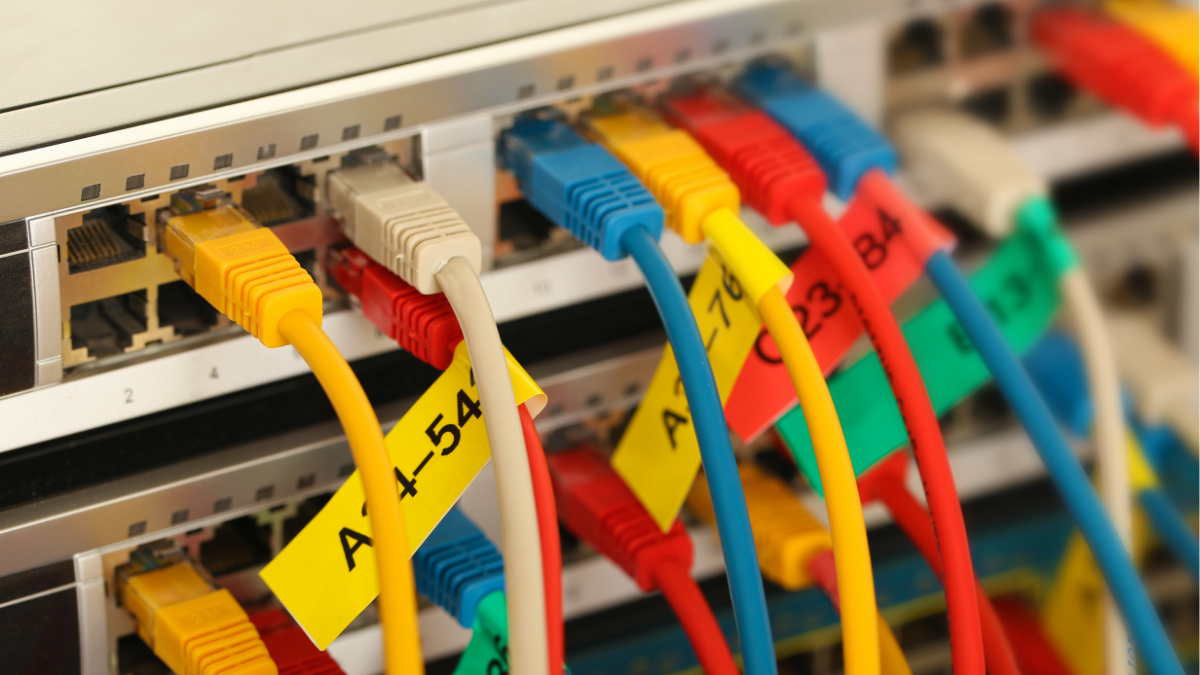
Structured cabling forms the physical foundation of network infrastructure.
Typical installations include:
• Category 6 or Category 6A copper cabling
• Fiber optic cabling for high-speed and long-distance connections
• Patch panels and termination points
• Cable pathways and organized rack systems
Well-designed cabling ensures stable communication between devices and simplifies future upgrades.
Network Switches
Network switches connect devices within a local network and direct data between them.
They support communication between:
• Workstations and laptops
• Servers and storage systems
• Security devices
• Wireless access points
• POS terminals and connected systems
Enterprise-grade switches improve network performance and allow administrators to manage traffic efficiently.
Routers and Internet Connectivity
Routers connect internal networks to external networks such as the internet or cloud services.
They manage:
• Traffic routing between networks
• Internet access for internal devices
• Security policies and firewall rules
• Network segmentation and monitoring
Reliable routers ensure consistent communication between internal systems and external platforms.
Wireless Network Infrastructure
Wireless connectivity has become essential in modern business environments.
Commercial wireless networks support:
• Employee mobile devices
• Wireless POS systems
• Inventory scanners and handheld devices
• IoT devices and sensors
• Guest Wi-Fi networks
Wireless access points must be strategically placed and properly configured based on insights from a Wi-Fi site survey to deliver consistent coverage and strong signal quality.
Network Security Systems
Network infrastructure also includes security measures that protect sensitive data and prevent unauthorized access.
These typically include:
• Firewalls
• Network segmentation
• Secure authentication protocols
• Intrusion detection systems
• Encrypted communications
Strong network security helps protect business operations, customer information, and payment systems.
Types of Network Infrastructure
Businesses may use different network structures depending on their operational requirements.
| Network Type | Purpose |
| Local Area Network (LAN) | Connects devices within a single building or facility |
| Wide Area Network (WAN) | Connects multiple locations across cities or regions |
| Wireless Network (Wi-Fi) | Provides mobility and wireless connectivity |
| Cloud Network Integration | Connects on-site infrastructure to cloud platforms |
Many organizations use a combination of these network types to support both local operations and multi-site connectivity.
How Network Infrastructure Impacts Business Performance
Well-designed network infrastructure directly affects how efficiently a business operates.
Speed and Productivity
Reliable networks allow employees and systems to communicate quickly, improving productivity and reducing delays.
System Reliability
Stable infrastructure minimizes downtime, which is essential for retail environments, financial systems, and cloud applications.
Security and Compliance
Proper network segmentation and security controls protect sensitive data and support regulatory compliance.
Scalability
As businesses grow, new devices, applications, and locations can be integrated into the network without major disruptions.
Signs Your Business May Need Network Infrastructure Upgrades
Businesses may need to evaluate their network infrastructure if they experience:
• Slow network performance
• Frequent connectivity disruptions
• Inconsistent Wi-Fi coverage
• Security vulnerabilities
• Difficulty supporting new devices or applications
• Limited capacity for future expansion
Addressing infrastructure limitations early helps prevent operational disruptions and costly emergency upgrades.
Network Infrastructure for Multi-Site Businesses
Retail chains, healthcare organizations, and enterprise companies often operate across multiple locations.
For these environments, network infrastructure must support:
• Consistent deployment across sites
• Centralized monitoring and management
• Secure connectivity between locations
• Reliable wireless performance in each facility
Standardized infrastructure ensures each location operates with the same level of performance and security.
How Prime-Net Supports Business Network Infrastructure
Prime-Net provides network infrastructure services designed for retail, commercial, and multi-site environments.
Our solutions include:
• Network infrastructure installation
• Structured cabling deployment
• Wireless network design and implementation
• Point-of-sale connectivity solutions
• CCTV installation and integration
• GPS asset tracking installation
• Project management and Wi-Fi site surveys
Because Prime-Net also provides installation services and electrical services, our teams ensure that connectivity systems are properly integrated with the electrical infrastructure that supports network performance.
This coordinated approach improves network reliability, scalability, and long-term operational stability.
Frequently Asked Questions
What does network infrastructure include?
Network infrastructure includes the hardware, cabling, wireless systems, and security components that allow devices and applications to communicate within a business environment.
Why is network infrastructure important for businesses?
It supports communication, system performance, security, and connectivity across business operations, enabling applications and devices to function reliably.
What is the difference between network infrastructure and IT systems?
Network infrastructure provides the connectivity foundation that allows IT systems, applications, and devices to communicate and share data.
Can outdated network infrastructure affect business performance?
Yes. Aging infrastructure can cause slow speeds, connectivity problems, and security risks that impact productivity and customer experience.
When should businesses upgrade network infrastructure?
Organizations should consider upgrades when they experience performance issues, expand operations, deploy new technologies, or outgrow existing network capacity.
Final Thoughts
Network infrastructure is the foundation that supports modern business connectivity. From structured cabling and network switches to wireless networks and security systems, each component plays a role in ensuring reliable communication and operational efficiency.
Organizations that invest in well-designed network infrastructure benefit from faster performance, improved reliability, and stronger scalability as technology demands grow.
Prime-Net delivers network infrastructure solutions designed for retail, commercial, and multi-site businesses. Our team supports organizations with installation services, wireless deployments, structured cabling, and project management to ensure networks are built for long-term performance.
For more information about strengthening your network infrastructure, contact Prime-Net at info@prime-net.net. Our team is ready to support your organization with reliable, scalable connectivity solutions.