Businesses today rely on real-time visibility to manage vehicles, equipment, and high-value assets across multiple locations. GPS asset tracking systems make this possible by allowing organizations to monitor asset locations, usage patterns, and operational activity from centralized platforms.
However, the effectiveness of a GPS tracking system depends heavily on the underlying network infrastructure for businesses that supports it. Without reliable connectivity, tracking devices cannot transmit location data, updates may be delayed, and system visibility can be compromised.
What is a GPS asset tracking system?
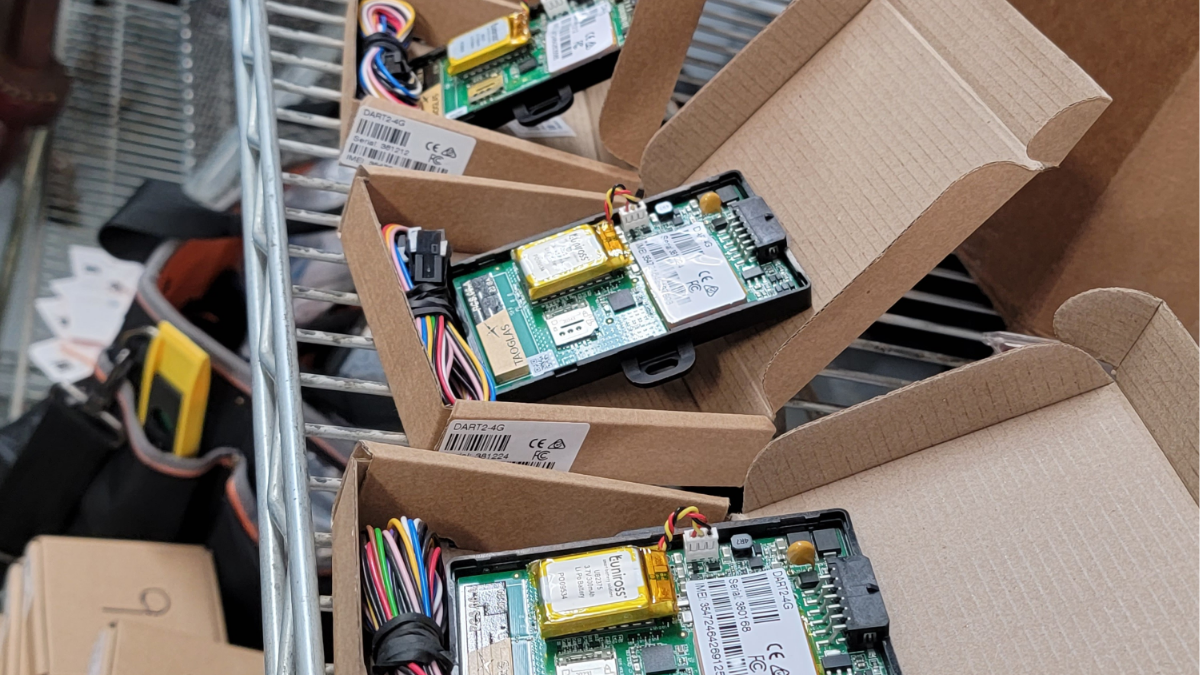
A GPS asset tracking system is a technology solution that uses GPS-enabled devices to monitor the location and movement of assets such as vehicles, equipment, or mobile inventory. These devices transmit location data through network connections to cloud-based software platforms where businesses can view, analyze, and manage asset activity.
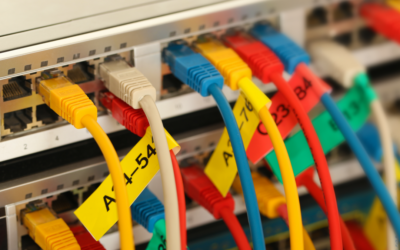
Reliable infrastructure deployed through a commercial network installation process ensures that this data is transmitted consistently and securely from the field to monitoring platforms.
Key Takeaways
• GPS asset tracking systems rely on network infrastructure to transmit location data
• Cellular, wireless, and cloud networks enable real-time tracking and monitoring
• Reliable connectivity ensures accurate location reporting and alerts
• Secure network environments protect sensitive asset and operational data
• Scalable infrastructure supports multi-site asset tracking and fleet expansion
Why Network Infrastructure Matters for GPS Asset Tracking
GPS devices determine location using satellite signals, but those signals alone do not deliver tracking data to businesses. Once a device calculates its position, it must transmit that information through a network to a central monitoring platform.
Network infrastructure supports this process by enabling:
• Data transmission from tracking devices
• Real-time updates to monitoring software
• Secure communication between systems
• Storage and analysis of tracking data
Without stable connectivity, location data may be delayed or unavailable, reducing the effectiveness of the tracking system.
GPS Tracking Devices and Data Transmission
GPS asset trackers contain several components that work together to collect and transmit information.
Typical devices include:
• GPS receivers for location data
• Cellular or wireless communication modules
• Sensors that monitor movement or equipment activity
• Power management systems
Once a location is captured, the device sends that data across a network connection to a centralized platform where it can be viewed by operators and managers.
Reliable network connectivity ensures this information is delivered quickly and accurately.
Cellular Connectivity for Asset Tracking
Most GPS tracking systems rely on cellular networks to transmit data from mobile assets to monitoring platforms.
Cellular connectivity allows tracking devices to communicate across large geographic areas without relying on local infrastructure.
Benefits of cellular-based tracking include:
• Real-time location updates
• Wide geographic coverage
• Continuous connectivity for moving assets
• Integration with cloud-based monitoring systems
However, cellular tracking performance depends on network availability and signal strength across operating regions.
Wireless Networks for Local Asset Monitoring
In some environments, GPS asset tracking systems integrate with local wireless networks.
Wireless connectivity may be used for:
• Equipment tracking inside warehouses
• Monitoring assets within large facilities
• Supporting IoT sensors and CCTV systems that rely on network infrastructure
• Connecting tracking gateways to the local network
Properly designed wireless infrastructure based on a Wi-Fi site survey ensures tracking devices can transmit data consistently without interference or connectivity interruptions.
Cloud Platforms and Data Processing
Once GPS location data is transmitted from tracking devices, it is typically stored and processed within cloud-based platforms.
These platforms allow businesses to:
• View asset locations in real time
• Monitor movement history
• Receive alerts for unauthorized activity
• Analyze operational trends and asset utilization
Reliable network infrastructure ensures that data flows smoothly between tracking devices, cloud systems, and monitoring dashboards.
Network Security for Asset Tracking Systems
GPS tracking systems often contain sensitive operational information, including asset locations, routes, and activity patterns.
Network security is essential to protect this data.
Secure infrastructure typically includes:
• Encrypted communication between devices and servers
• Secure authentication for user access
• Network segmentation for tracking systems
• Firewall protection and monitoring
Strong network security helps prevent unauthorized access to asset tracking data.
Bandwidth and Data Management
Although GPS tracking data is relatively small compared to video surveillance traffic, large fleets or high-frequency reporting can generate significant network activity.
Network infrastructure must support:
• Frequent location updates from multiple devices
• Data synchronization with monitoring platforms
• Real-time alert notifications
Proper bandwidth planning ensures that tracking systems operate smoothly without delays or connectivity interruptions.
Multi-Site Asset Tracking and Network Integration
Many organizations operate across multiple locations and need centralized visibility into asset movements.
Network infrastructure enables:
• Monitoring assets across regional or national operations
• Centralized tracking dashboards
• Integration with logistics or fleet management systems
• Remote diagnostics and device management
Reliable connectivity ensures that asset data can be accessed and managed regardless of where the equipment is located.
Signs Your Network May Be Affecting Asset Tracking Performance
If GPS tracking systems experience any of the following issues, network infrastructure may require evaluation:
• Delayed location updates
• Inconsistent tracking accuracy
• Missing activity reports
• Connectivity interruptions in certain areas
• Delayed alerts or notifications
Addressing network reliability and connectivity often resolves these performance issues.
How Prime-Net Supports GPS Asset Tracking Deployments
Prime-Net supports organizations implementing GPS asset tracking systems by providing the infrastructure required for reliable connectivity and system performance.
Our services include:
• GPS asset tracking installation
• Network infrastructure deployment
• Wireless network design and implementation
• Structured cabling installation
• Electrical services supporting connected systems
• Project management for network deployments across multiple locations
By aligning connectivity, installation services, and infrastructure planning, Prime-Net helps organizations deploy asset tracking systems that operate reliably across multiple environments.
Frequently Asked Questions
How do GPS asset tracking systems work?
GPS tracking systems use satellite signals to determine asset locations and transmit that data through network connections to monitoring platforms.
Do GPS trackers require internet connectivity?
GPS devices determine location using satellites but require network connectivity, typically cellular networks, to transmit location data to monitoring systems.
Can poor network connectivity affect GPS tracking accuracy?
Yes. Weak or unreliable network connections can delay or interrupt data transmission, making location updates appear inaccurate or delayed.
What types of assets can be tracked with GPS systems?
Organizations commonly track vehicles, trailers, heavy equipment, containers, and other high-value mobile assets.
Are GPS asset tracking systems secure?
When deployed properly, GPS tracking systems use encrypted communication and secure authentication methods to protect sensitive location data.
Final Thoughts
GPS asset tracking systems provide businesses with valuable visibility into asset location, movement, and utilization. However, the effectiveness of these systems depends on reliable network infrastructure that supports data transmission and system integration.
Organizations that deploy asset tracking with properly designed connectivity infrastructure benefit from accurate real-time monitoring, improved operational efficiency, and better asset protection.
Prime-Net provides GPS asset tracking installation and supporting network infrastructure services for retail, commercial, and multi-site organizations. Our team helps businesses deploy tracking systems that are reliable, secure, and built for long-term scalability.
For more information about GPS asset tracking solutions, contact Prime-Net at info@prime-net.net. Our team is ready to support your organization with reliable connectivity and asset monitoring solutions.